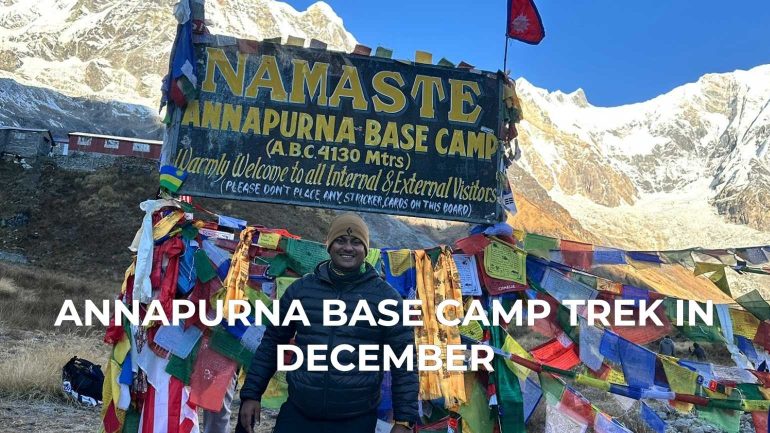
The Annapurna Base Camp Trek in December offers a quieter side of Nepal’s most popular trekking region. After the busy autumn season fades, the Annapurna Sanctuary becomes noticeably calmer. The main features are crisp mountain views, fewer trekkers on the trail, and the possibility of fresh snow around the upper valley. The trade-off comes in the form of colder temperatures, shorter daylight hours, and more variable conditions near the base camp.
If you’re considering an ABC trek in December, it’s worth taking a closer look at how winter conditions can influence the trekking experience, both on and off the trail.
Can you trek to Annapurna Base Camp in December?
Yes, the Annapurna Base Camp Trek in December is absolutely possible and is actually one of the most underrated times to visit the Annapurna Sanctuary. Early December offers stable weather, crisp mountain views, and far fewer trekkers than in October and November. By late December, conditions become more winter-like, with colder temperatures, increased snowfall, and some seasonal teahouse closures above Machhapuchhre Base Camp (MBC).
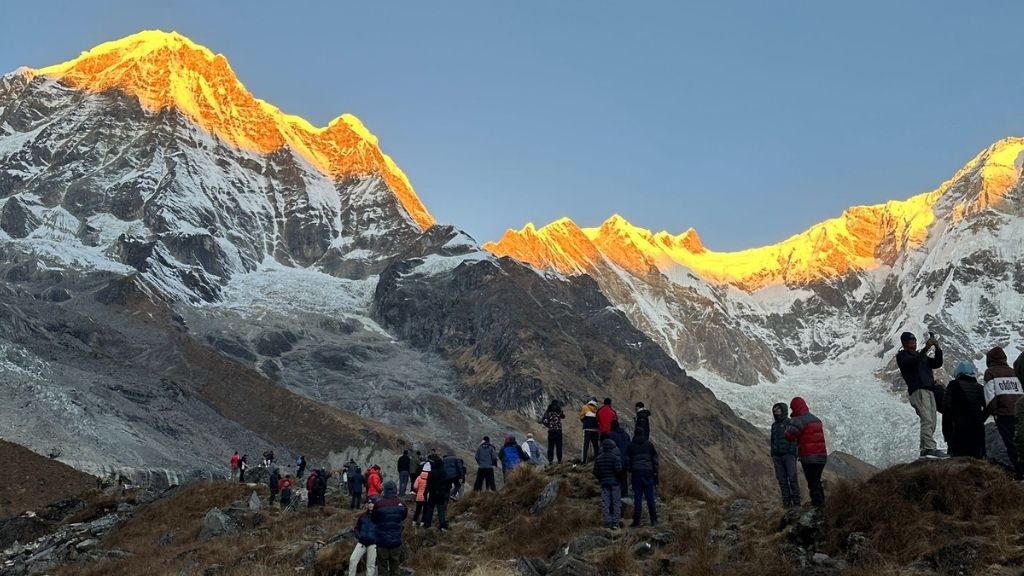
For trekkers who enjoy quiet trails and don’t mind cold mornings, December can be an excellent month to visit ABC. However, the experience differs considerably between early and late December, making timing an important consideration.
Annapurna Base Camp Weather in December
December marks the beginning of the Himalayan winter, but the weather in the Annapurna region is often more stable than many first-time visitors expect.
Unlike the monsoon months, December is usually characterized by:
- Dry skies
- Low humidity
- Excellent mountain visibility
- Minimal rainfall
- Predictable weather windows
One of the biggest advantages of trekking to Annapurna Base Camp in December is the exceptional clarity of the mountain views. Cold air holds less moisture, so peaks such as Annapurna I, Machhapuchhre, Annapurna South, and Hiunchuli often appear remarkably sharp, particularly during the morning hours.
How Cold Does It Get?
Temperatures on the Annapurna Base Camp trek can range from around 10°C to 15°C during the day in lower villages to as low as -10°C or lower at night near Annapurna Base Camp. It becomes noticeably colder above 3,000 meters, especially during the early morning and evening hours. Strong winds can also make temperatures feel several degrees colder than the actual reading, particularly at higher elevations.
Early December vs Late December
December is not one uniform season in the Annapurna Sanctuary. The first half often feels like an extension of November, with relatively stable conditions and easier trekking. By contrast, late December shifts fully into winter, becoming more demanding and better suited to trekkers with prior high-altitude or winter hiking experience.
| Feature | Early December (Dec 1-15) | Late December (Dec 16-31) |
|---|---|---|
| Overall conditions | Late autumn feels | True winter conditions |
| Weather stability | Generally stable | More unpredictable |
| Trail conditions | Mostly dry and clear | Snowy and icy sections common |
| Daytime temperature | Mild and manageable | Much colder |
| Night temperature | Cold but tolerable | Often freezing |
| Visibility | Very clear mountain views | Can vary with snowfall |
| Teahouse availability | Fully open | Some closures at higher elevations |
| Crowds | Quiet trails | Very few trekkers |
| Difficulty level | Moderate | More challenging, winter-grade |
| Suitable for | Most prepared trekkers | Experienced winter trekkers |
Annapurna Base Camp December Temperature by Elevation
The following temperatures are approximate averages and can vary depending on yearly weather patterns and snowfall.
| Location / Stop | Elevation | Avg Day Temp | Avg Night Temp |
|---|---|---|---|
| Pokhara | 822m | 18°C | 8°C |
| Ulleri | 1,960m | 14°C | 4°C |
| Ghorepani | 2,874m | 8°C | -2°C |
| Tadapani / Chuile | 2,630m | 9°C | -1°C |
| Chhomrong / Sinuwa | 2,170m / 2,340m | 11°C / 12°C | 1°C / 2°C |
| Himalaya / Deurali | 2,920m / 3,230m | 6°C / 8°C | -3°C / -5°C |
| Machhapuchhre Base Camp (MBC) | 3,700m | 4°C | -8°C |
| Annapurna Base Camp (ABC) | 4,130m | 2°C | -10°C to -18°C |
| Bamboo | 2,310m | 11°C | 1°C |
| Jhinu Danda (Hot Springs) | 1,780m | 15°C | 5°C |
Note: The coldest nights usually occur during clear weather immediately after snowfall.


What Changes Between October, November, and December?
Many trekkers automatically choose October or November, assuming December is too cold. In reality, December offers several advantages that make it an appealing alternative. It sacrifices warmth but rewards trekkers with a much quieter experience. Finding accommodation is easier. Viewpoints are less crowded. Lastly, exceptionally clear air improves photography opportunities significantly.
| Factor | October | November | December |
|---|---|---|---|
| Temperature | 5–12°C (day) / -3 to -7°C (night) | 0–5°C (day) / -8 to -12°C (night) | 0 to -5°C (day) / -10 to -18°C (night) |
| Crowds | Peak season | Busy, thinning | Very low |
| Visibility | Good | Excellent | Crispest |
| Lodge Occupancy | Full | Moderate | Easy rooms |
| Trail Conditions | Dry | Stable | Snow/ice possible |
| Costs | Highest | High | Lower |
| Daylight Hours | ~11.5 hrs | ~10.7 hrs | ~10.3 hrs |
Annapurna Base Camp Snow Conditions in December
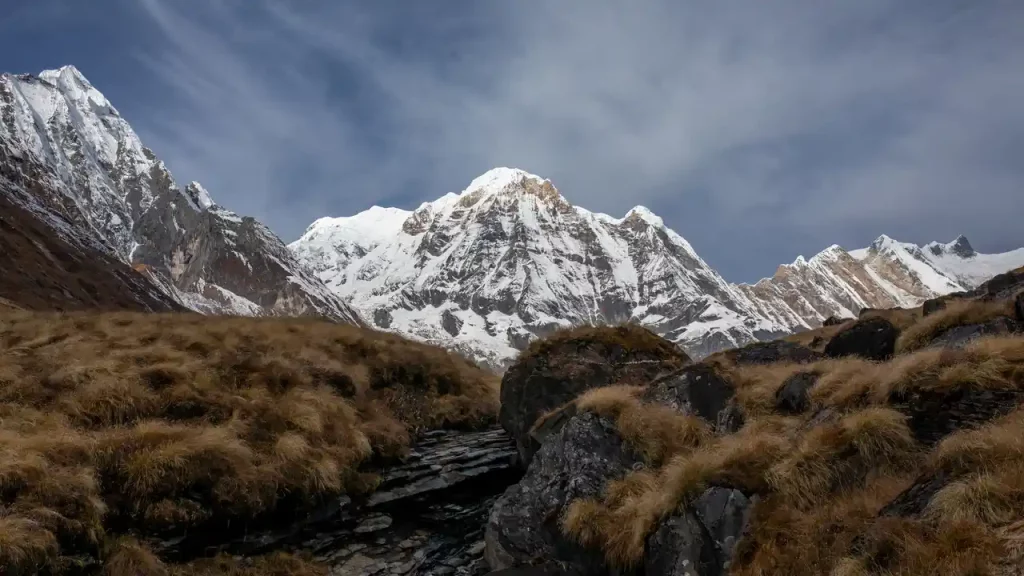
Snow is one of the most common concerns for December trekkers. Yes, there is usually snow at Annapurna Base Camp, especially in the second half of the month. But it’s not consistent across the route. Lower sections often stay dry, while winter conditions are mostly limited to higher elevations in the Annapurna Sanctuary.
Below is a simple look at snow conditions along the trail:
- Ghorepani & Poon Hill (3,210m): Lower trails stay mostly dry. Late December storms can bring fresh snow and slippery steps.
- Deurali (3,230m): This is where snow first becomes noticeable. Morning ice is common due to overnight freezing.
- Machhapuchhre Base Camp (3,700m): Snow cover becomes more consistent here. Conditions can change quickly after snowfall. Microspikes are often needed.
- Annapurna Base Camp (4,130m): This is the most winter-affected section. Snow cover is frequent, especially in late December. Expect icy paths, packed snow, and possible deep drifts after storms.
Because conditions shift quickly, guides often adjust plans daily based on snow and visibility. Sometimes you may need to pause the trek and spend a night at MBC before the final push to ABC.
Is the Annapurna Base Camp Trek Safe in December?
Yes, the Annapurna Base Camp Trek is generally safe in December, but winter conditions introduce risks that require more preparation and flexibility than during peak autumn months.
Avalanche Risk Above Deurali
The section between Deurali and Machhapuchhre Base Camp is the main area of concern in winter. The trail passes through a narrow valley beneath several known avalanche paths, especially around Hinku Cave and Bagar. After heavy snowfall, particularly in late December, snow can sometimes slide down onto parts of the route.
Most trekkers won’t encounter active avalanche conditions, but it’s still important to be cautious. Guides keep an eye on daily snow conditions and usually cross this section early in the morning when the slopes are more stable. If the risk is higher than usual, you may spend an extra night in Deurali and wait for safer conditions before continuing.
Cold Weather Injuries
Cold is one of the most underestimated challenges of the ABC winter trek. The issue is not extreme temperatures, but long exposure during freezing mornings and evenings. Possible problems include mild hypothermia, frostnip on fingers and toes, and dehydration caused by cold, dry air. So, wear proper layers, insulated gloves, and warm socks. Drink water regularly, and change out of sweaty clothing as soon as you reach teahouses.
Snow-Covered Trails
Snow and ice can make sections of the trail slippery and unpredictable. The most affected areas are between Deurali, MBC, and ABC. You may encounter frozen steps, compacted snow, ice patches, or hidden rocks under fresh snowfall. We highly recommend microspikes from mid-December onward, especially after snowfall. Similarly, use trekking poles to help with balance and reduce strain on descents.
Altitude Challenges
Altitude sickness remains a risk in December just as in any season. However, cold weather conditions can make symptoms harder to notice because fatigue and headaches often feel like normal winter strain. To reduce risk, ascend gradually, drink plenty of fluids, avoid alcohol at altitude, and pay attention to early symptoms. Recovery is the same as in other seasons, but discomfort can feel stronger in winter conditions.
Emergency Evacuation and Rescue
Emergency evacuation in December is available, but it is more limited compared to peak trekking seasons. Narrow weather windows, strong winds, and poor visibility can delay or ground helicopters, sometimes pushing rescues to the next day. Snowfall may also cover landing zones, making operations more difficult in higher areas.
Because trails are quieter in winter, there is less support from other trekkers or porters if conditions worsen. In such cases, evacuation can take longer and may require manual assistance over icy terrain. Having a guide and proper insurance becomes especially important for this reason. They help coordinate with rescue services quickly when needed.
GPS and Satellite Communication Devices
Mobile networks become unreliable at higher altitudes, especially in winter due to cold conditions and occasional power disruptions. You can carry satellite communicators such as Garmin inReach Mini or ZOLEO. These devices allow messaging, GPS sharing, and emergency alerts even without mobile coverage. Just make sure to keep the device inside an inner chest pocket close to body heat rather than exposed on a backpack, as cold temperatures can drain batteries quickly.
Annapurna Base Camp Trek Cost in December
Annapurna Base Camp Trek in December is often slightly cheaper compared to the peak autumn months like October and early November. After the main trekking rush ends, demand drops. This leads to better deals on accommodation and guiding services, especially in the first half of the month. That said, it’s not an official discount season, and most savings come simply from lower demand rather than fixed winter pricing changes.
Some costs remain consistent throughout the year. Permits such as the Annapurna Conservation Area Permit (ACAP) cost the same regardless of season: NPR 3,000. Similarly, transportation to and from the trailhead, porter wages, and most food prices along the route are also standard and don’t usually fluctuate with the season.
The main variation in December comes from accommodation flexibility and guide availability. With fewer trekkers on the trail, lodges may be slightly more negotiable in quieter areas, and it’s generally easier to find guides without paying peak-season premiums.
For a full breakdown of expenses, permits, and package pricing, check out our detailed guide on Annapurna Base Camp Trek Cost.
What to Pack for Annapurna Base Camp in December
Packing properly can make the difference between an enjoyable winter trek and a really uncomfortable one. Don’t overpack or carry unnecessary gear. Instead, focus on layered clothing that you can adjust as temperatures change, along with a few essential winter-specific items like a warm insulated jacket, gloves, and proper thermal wear. Good gear matters more than heavy gear in December conditions.
Essential Winter Clothing
- Base layers (top and bottom)
- Fleece jacket
- Lightweight down jacket
- Waterproof shell jacket
- Insulated trekking pants
- Thermal sleepwear
Footwear and Traction Gear
- Waterproof trekking boots
- Warm trekking socks
- Gaiters (optional)
- Microspikes
- Trekking poles
Microspikes are not always necessary during early December, but become increasingly valuable after mid-December.
Sleeping Bag and Winter Sleeping System
Teahouses are unheated, and nighttime temperatures at higher elevations can be extremely cold. We recommend:
- Sleeping bag rated to at least -10°C.
- Sleeping bag liner for additional warmth.
- Inflatable pillow or stuff sack.
Essential Winter Accessories
- Warm beanie
- Neck gaiter or buff
- Insulated gloves
- Sunglasses
- Sunscreen
- Headlamp with spare batteries
- Reusable water bottles
- Thermos flask
A simple thermos filled with hot tea can dramatically improve comfort on cold mornings.
What to Buy or Rent in Kathmandu and Pokhara
Most winter equipment can be rented or purchased before the trek.
| Item | Rental Price | Purchase Price |
|---|---|---|
| Down Jacket | USD 1–2/day | USD 60–120 |
| Sleeping Bag | USD 1–2/day | USD 60–150 |
| Trekking Poles | USD 1/day | USD 20–60 |
| Microspikes | USD 10–20 | USD 15–30 |
Unless you frequently trek in winter conditions, renting larger items is often the most economical option.
Mardi Himal vs Annapurna Base Camp in December

Both Mardi Himal and Annapurna Base Camp are excellent winter treks, but they offer very different experiences in December. Mardi Himal generally receives more snow earlier in the season and reaches a higher viewpoint, while Annapurna Base Camp provides a more gradual ascent, a stronger teahouse network, and the unique experience of spending a night inside the Annapurna Sanctuary.
Here’s the main differences between the Mardi Himal trek in December compared with the Annapurna Base Camp.
| Factor | Mardi Himal | Annapurna Base Camp |
|---|---|---|
| Duration | 5–7 days | 8–11 days |
| Highest Elevation | 4,500m | 4,130m |
| Snow Conditions | Usually heavier snow | Moderate to heavy above MBC |
| Difficulty | Moderate to challenging | Moderate |
| Teahouse Network | Limited at higher elevations | Extensive and well-spaced |
| Rescue Access | More limited | Better established |
| Crowds | Very low | Low |
| Winter Suitability | Better for experienced winter hikers | Suitable for most trekkers in early December |
Is December a Good Time for the Annapurna Base Camp Trek?
Yes, December is a good time for the Annapurna Base Camp Trek if you want clear views and quiet trails. It’s more peaceful than peak season, but also much colder. Early December gives the best balance with stable weather, good visibility, fewer crowds, and better teahouse availability. You’ll also find lower costs compared to October. With proper gear and some flexibility, most trekkers still complete the trek successfully.
Here’s a quick look at how December usually fits different types of travelers.
| Traveler Type | Recommendation |
|---|---|
| First-time trekker | Best in early December with a guide |
| Experienced hiker | Suitable throughout the month |
| Photographer | One of the clearest months |
| Christmas traveler | Works, but needs flexibility |
| Family group | Better in early December |
| Budget traveler | Good value compared to peak season |
Ready for a Quieter Himalayan Adventure?
The Annapurna Base Camp Trek in December combines clear mountain views, quiet trails, and a more peaceful atmosphere than the busy autumn months. Although colder temperatures, shorter daylight hours, and occasional snowfall demand extra preparation, many trekkers find the winter scenery and solitude well worth the effort. With the right gear, a flexible mindset, and proper planning, December can be one of the most rewarding times to experience the Annapurna Sanctuary.