The Manaslu Circuit Trek best time is spring (April to May) and autumn (mid-October to mid-November). These periods generally bring clearer skies, more stable weather, and better mountain visibility, making the Larkya La (5,106 m) crossing safer and more predictable. March, September, and late November are shoulder months. They can still be good for trekking, […]
Planning your journey through the pristine Manaslu region starts with securing your official trail access. To complete the Manaslu Circuit trek, foreign trekkers must obtain four entry clearances: the Manaslu Restricted Area Permit (RAP), the Manaslu Conservation Area Permit (MCAP), the Annapurna Conservation Area Permit (ACAP), and the Chumnubri Rural Municipality Permit. Manaslu borders Tibet, […]
Planning an autumn trek in Nepal? September to November is a great time to be on the trail, but each month feels a little different. Early September can still bring rain, while October usually offers the clearest skies, busiest trails, and major festivals such as Dashain. November is quieter, but temperatures drop quickly at higher […]
The best time for Annapurna Circuit Trek is from September to November (Autumn) and from March to May (Spring). These two trekking windows generally offer reliable weather, dry trail conditions, and good mountain visibility. October and November are especially popular for crisp, clear Himalayan views, while March to May brings warmer days, longer daylight hours, […]
Dreaming of the Himalayas but only have a week of vacation? You don’t have to miss out on the adventure. There are many incredible short treks in Nepal that pack panoramic mountain views, traditional villages, and alpine scenery into manageable 5-to-10-day itineraries. The right trail depends on your fitness, available time, and comfort with altitude. […]
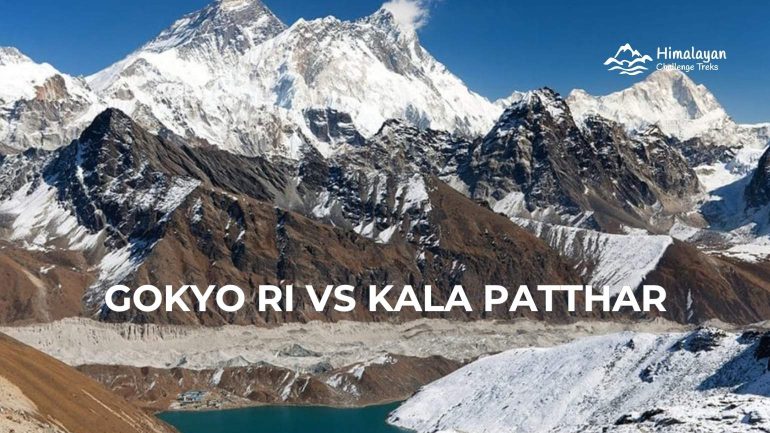
Gokyo Ri and Kala Patthar are two of the best viewpoints in the Everest region, Nepal. Kala Patthar (5,545 meters) sits on the classic Everest Base Camp route and offers a close-up view of Everest, Nuptse, and Changtse. Its proximity to the peaks makes Everest feel huge, but the view is less expansive. Whereas Gokyo […]
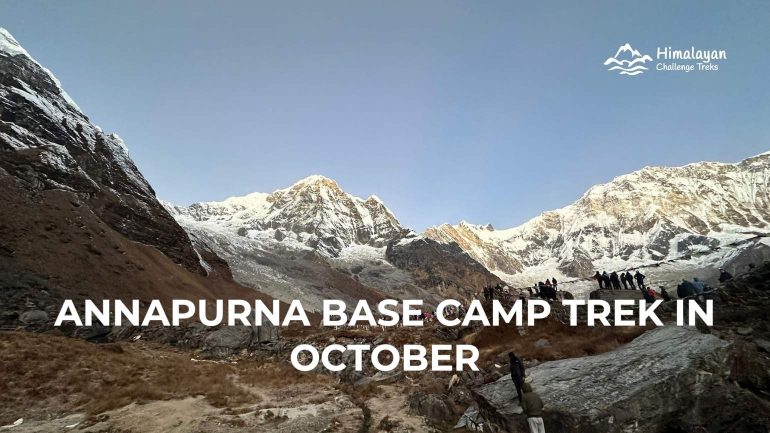
The Annapurna Base Camp Trek in October takes place just after the monsoon, when the Annapurna region usually has clearer skies and drier trail conditions. The route passes through green hills, rhododendron forests, traditional villages, and the Annapurna Sanctuary before reaching Annapurna Base Camp at 4,130 meters. For many trekkers, this is the most appealing […]
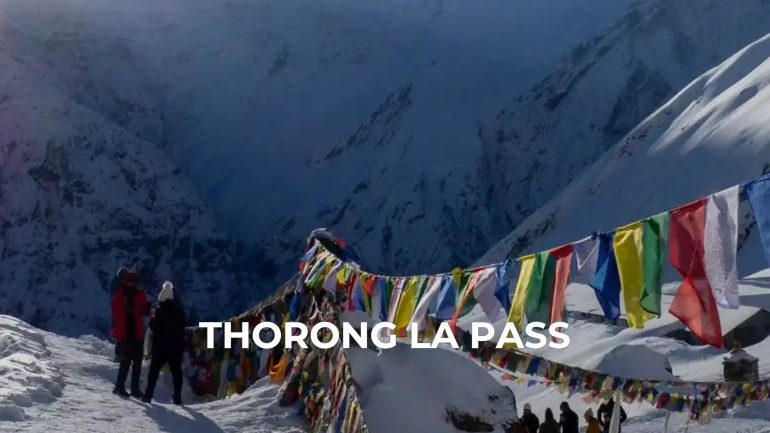
Thorong La Pass is the highest point on the Annapurna Circuit, and the moment many trekkers look forward to most. Standing at 5,416 meters (17,769 feet) between the Manang Valley and the Mustang region, it marks the transition from lush mountain valleys to the dry, windswept landscapes beyond. Reaching the pass is a true test of […]
The Annapurna Circuit has changed over the years, but it hasn’t lost what made it one of Nepal’s most iconic treks. Roads now extend through much of the lower Marsyangdi Valley on the eastern side and the lower Kali Gandaki Gorge on the western side, replacing sections that once took days to walk. This has […]
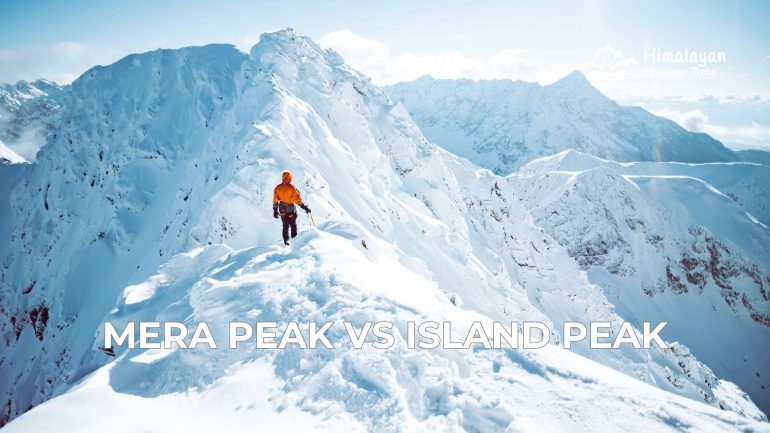
Mera Peak and Island Peak are Nepal’s two most climbed trekking peaks. Both sit in the Everest region, both are achievable without prior mountaineering experience, and both put you above 6,000 meters with world-class Himalayan views. But they test you in different ways. Mera Peak is a long, high-altitude walk with almost no technical climbing. […]
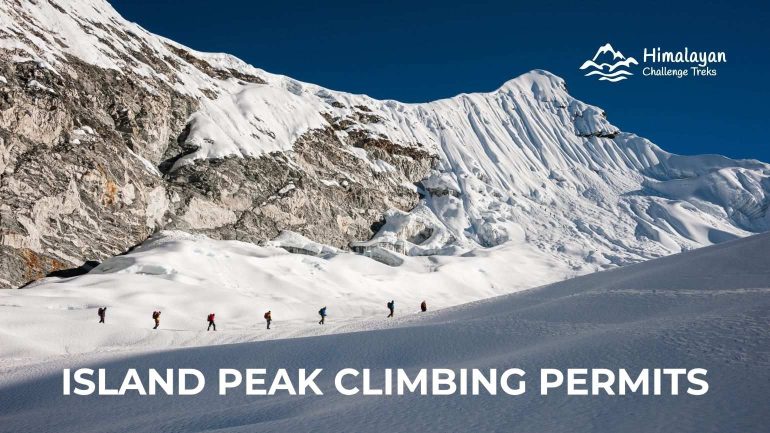
Attempting Island Peak (Imja Tse, 6,189 m) requires several mandatory government permits, with total permit costs ranging from USD 220 to USD 400 per person, depending on the season. The exact amount varies because the Nepal Mountaineering Association (NMA) charges different climbing permit fees for spring and the rest of the year, while regional entry […]
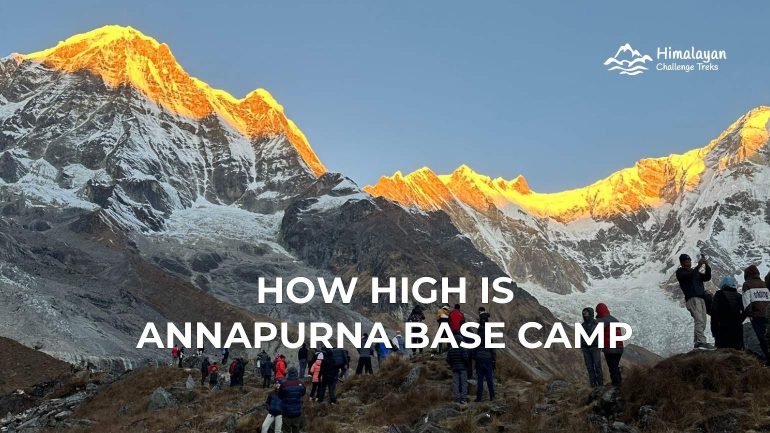
Annapurna Base Camp sits at 4,130 meters (13,550 feet) above sea level. It is the highest point of the standard ABC trek, and it shapes everything: how you plan, pace, and prepare for this route. Geographically, the base camp is located in a glacial basin within the Annapurna Sanctuary, roughly 40 kilometers north of Pokhara. […]
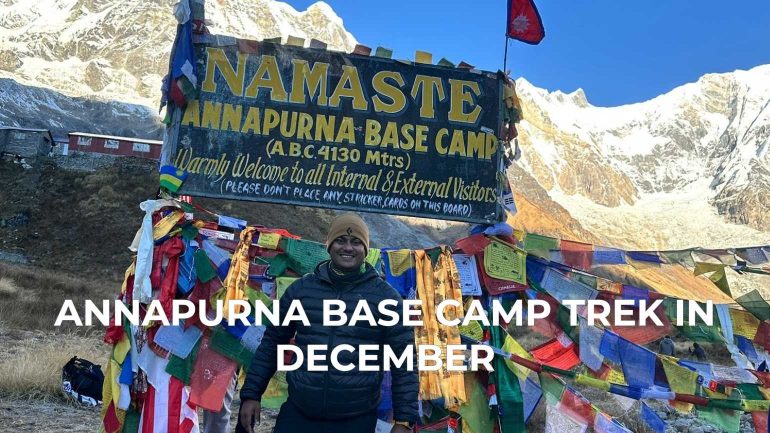
The Annapurna Base Camp Trek in December offers a quieter side of Nepal’s most popular trekking region. After the busy autumn season fades, the Annapurna Sanctuary becomes noticeably calmer. The main features are crisp mountain views, fewer trekkers on the trail, and the possibility of fresh snow around the upper valley. The trade-off comes in […]
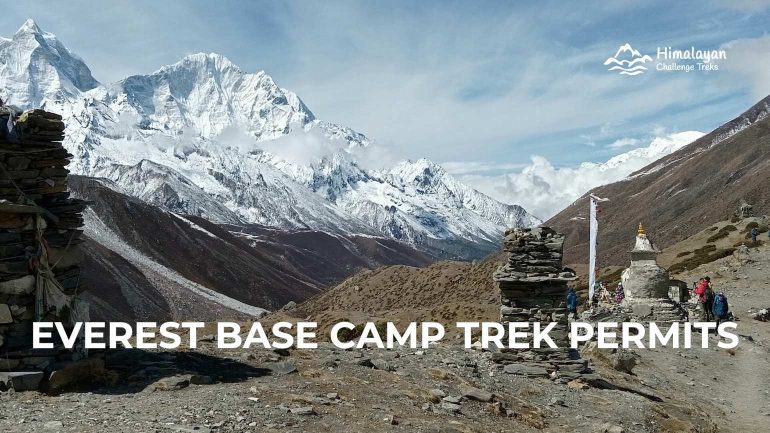
If you’re planning to trek to Everest Base Camp via the standard Lukla route in 2026, you’ll need two mandatory permits: the Sagarmatha National Park Entry Permit and the Khumbu Pasang Lhamu Rural Municipality Permit. These permits allow you to enter the Everest region legally and are checked at multiple points along the trail. Unlike […]
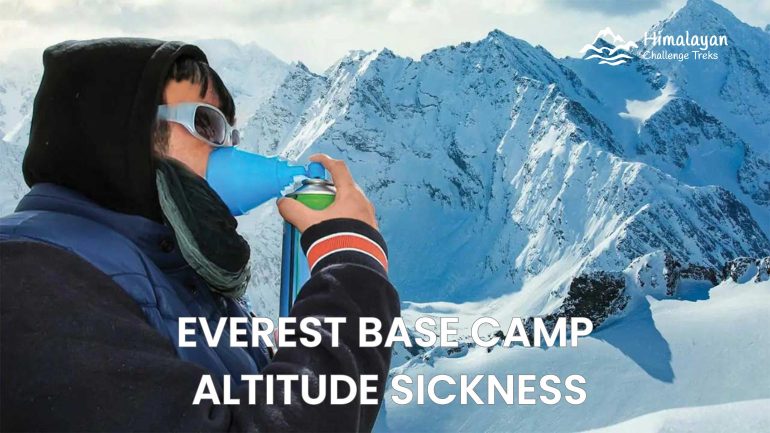
Everest Base Camp altitude sickness affects a large number of trekkers every year, and the risk begins once you cross roughly 2,500 meters (8,200 feet). At Everest Base Camp (5,364 meters) and Kala Patthar (5,545 meters), oxygen availability (partial pressure) drops to nearly half of sea–level conditions. Even highly fit trekkers can fall sick (Fitness […]
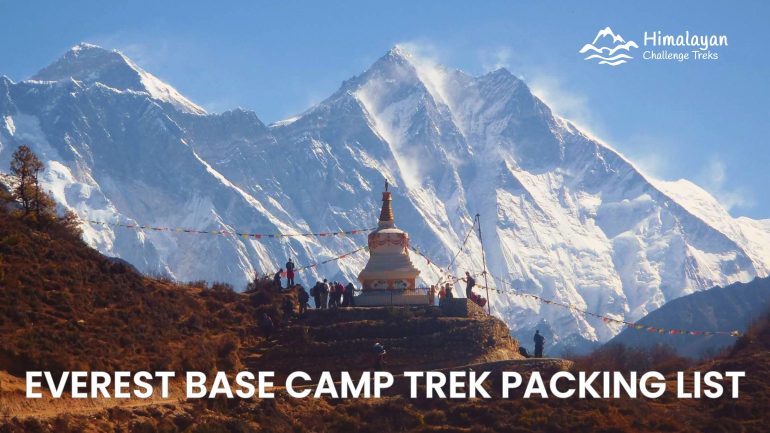
Building your Everest Base Camp Trek packing list is all about balancing strict weight limits with the reality of rapidly changing mountain conditions. For a standard 14-day trek, your total luggage allowance is typically limited to 15 kg (33 lbs) per person, split into a 10 kg porter duffel and a 5 kg daypack. That […]
As the primary gateway to the Annapurna region, Pokhara offers access to more than 60 distinct trekking routes. Among them, the top 5 short treks include Ghorepani Poon Hill, Short Annapurna Base Camp, Annapurna Base Camp, Khopra Danda, and Mardi Himal Trek. These routes allow you to experience the Himalayas in under a week. You […]
The Gokyo Ri Trek cost in 2026 ranges from $1,200 to $2,000+ (~₹113,800 to ₹189,700) per person for a standard 10 to 14-day itinerary. Budget packages range from $900 to $1,100 (~₹85,000 – ₹104,000) per person, while premium packages can cost over $2,000 (~₹171,000) per person. HCT offers the 11 Days Gokyo Ri Trek at […]
Planning a Nepal trek from an Indian departure hub eliminates much of the bureaucratic hassle often associated with international mountain expeditions. An all-inclusive, professionally guided 10-12 day trek, such as the Annapurna Base Camp trek, typically costs between ₹90,000 and ₹1,60,000 ($950-$1,700) per person. This estimated range generally covers round-trip airfare from major Indian metro airports, […]
Stuck on deciding between the Mardi Himal vs poon Hill Trek? Short answer: Choose Poon Hill if you are a first-time trekker, traveling with family, or want a well-established trail with comfortable teahouses and guaranteed sunrise views of 8,000m peaks. Choose Mardi Himal if you want genuine solitude, a steeper challenge, and a close-up view […]