

Planning an autumn trek in Nepal? September to November is a great time to be on the trail, but each month feels a little different. Early September can still bring rain, while October usually offers the clearest skies, busiest trails, and major festivals such as Dashain. November is quieter, but temperatures drop quickly at higher elevations, especially at night.
Your trek choice matters as much as your month. High-pass routes such as the Annapurna and Manaslu Circuits need good acclimatization and proper preparation, while shorter treks such as Mardi Himal can be a better fit for limited time or less demanding plans. Good travel insurance with high-altitude trekking and helicopter evacuation coverage is also worth having, because flights, roads, and passes can close at short notice, as the 2026 floods and early snow on Thorong La showed.
Why Is Autumn the Peak Season for Trekking in Nepal?
The autumn season in Nepal (September to November) is the main trekking season in the Nepal Himalayas. After the summer monsoon retreats, atmospheric dust and pollution are washed away, leaving crisp, clean air and clear skies with unmatched clarity.
Daytime temperatures in the mid-hills are pleasant for walking, while mountain views are at their sharpest. Additionally, autumn coincides with major cultural celebrations across Nepal, filling local mountain villages with festive energy and warm hospitality.
What Is the Weather Like During Autumn in Nepal?
- September (Monsoon Withdrawal): The monsoon usually retreats from Nepal in the second half of September, so rain, cloud, and slippery or damaged trails are still possible through the month. Lower trails are green and quiet. Landslides and washed-out roads are most likely in this window, as in late September 2026**.** Settled, clear weather typically begins in early October.
- October (Peak Conditions & Crystal Skies): October is the most stable month of the year, with the clearest views usually from the second week onward. Daytime temperatures average 15°C to 20°C at lower and mid elevations, with bright sunshine and little rain. High-altitude nights drop near freezing, and early snow on passes such as Thorong La is possible, as in late September 2026.
- November (Crisp Air & Clear Vistas): November maintains excellent visibility and dry conditions. As winter approaches, temperatures drop noticeably, especially above 4,000 meters, where nighttime temperatures frequently fall below freezing.
Best Autumn Treks in Nepal
Nepal’s classic autumn trekking routes offer world-renowned Himalayan scenery, well-established tea house networks, and deep cultural immersion. Whether you are navigating iconic trails in the Khumbu region of Sagarmatha National Park, crossing high alpine passes in the Annapurna Conservation Area, or exploring restricted wilderness zones, autumn delivers optimal weather and crystal-clear mountain vistas across these flagship multi-week itineraries.
Everest Base Camp Trek
The Everest Base Camp trek takes you deep into the iconic Khumbu region within Sagarmatha National Park. The trail winds through Sherpa capital Namche Bazaar, crosses suspension bridges draped in prayer flags, and passes spiritual landmarks like Tengboche Monastery before reaching base camp and the vantage point of Kala Patthar.
- Route: Kathmandu – Ramechhap/Lukla (flight) – Everest Base Camp – Kala Patthar – Lukla – Kathmandu
- Duration: 14 days
- Maximum Altitude: 5,545 m (Kala Patthar)
- Difficulty: Hard (High Altitude)
- Best Season: Spring & Autumn
- Starting Price: USD 2,570 per person
- Ideal For: Trekkers seeking a classic Himalayan journey with full acclimatization.

Everest Three Passes Trek

For seasoned adventurers wanting a complete circuit of the Everest region, the Everest Three Passes trek delivers the ultimate high-altitude challenge. Crossing Renjo La, Cho La, and Kongma La, this route encompasses Gokyo Lakes, Kala Patthar, and Everest Base Camp.
- Route: Lukla – Namche – Renjo La – Gokyo – Cho La – Gorak Shep – Kongma La – Lukla
- Duration: 17 days
- Maximum Altitude: 5,545 m (Kala Patthar)
- Difficulty: Hard / Challenging
- Best Season: Spring & Autumn
- Starting Price: USD 2,925 per person
- Ideal For: Experienced high-altitude trekkers seeking remote alpine passes.

Annapurna Circuit Trek
Traversing diverse landscapes within the Annapurna Conservation Area, the Annapurna Circuit trek transitions from subtropical pine forests and terraced farmland to the arid, Tibetan-influenced Mustang valley after crossing the formidable Thorong La pass.
- Route: Besisahar – Manang – Thorong La Pass – Muktinath – Jomsom / Pokhara
- Duration: 14 days
- Maximum Altitude: 5,416 m (Thorong La Pass)
- Difficulty: Hard
- Best Season: Spring & Autumn
- Starting Price: USD 2,000 per person
- Ideal For: Trekkers wanting rich cultural variation and a high-mountain pass crossing.

Annapurna Base Camp Trek
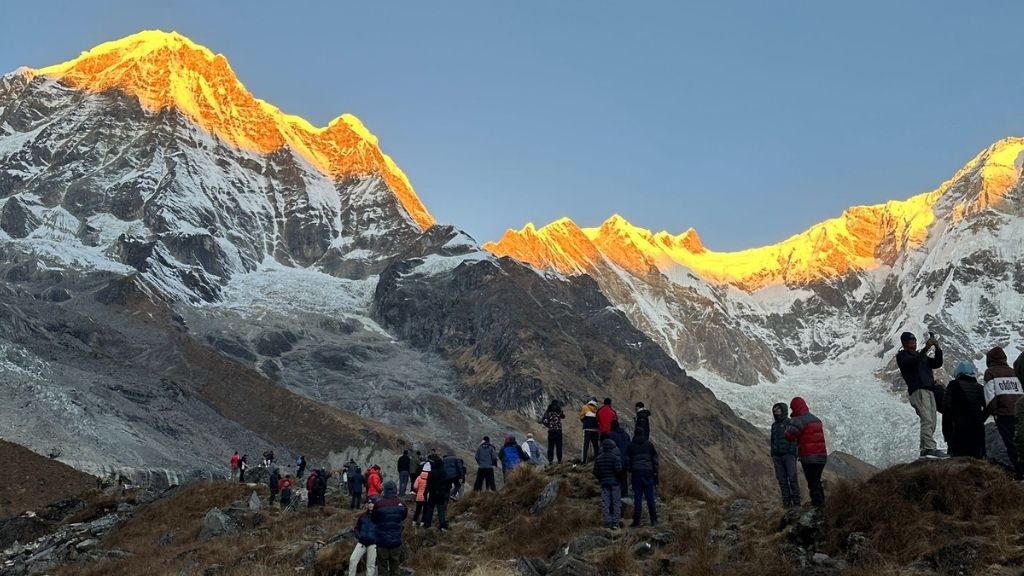
The Annapurna Base Camp trek leads into the heart of the Annapurna Sanctuary. Surrounded by a 360-degree amphitheater of towering peaks including Annapurna I and Machhapuchhre (Fishtail), the trail passes traditional Gurung villages, dense rhododendron forests, and natural hot springs at Jhinu Danda.
- Route: Pokhara – Kimche – Ghandruk – Chomrong/Sinuwa – Himalaya/Deurali – Annapurna Base Camp – Bamboo – Pokhara
- Duration: 7 days
- Maximum Altitude: 4,130 m (Annapurna Base Camp)
- Difficulty: Moderate to Challenging
- Best Season: Spring & Autumn
- Starting Price: USD 1,390 per person
- Ideal For: Fit trekkers with about a week to spare. First-timers and families are better suited to our 11-day Annapurna Base Camp via Poon Hill.

Manaslu Circuit Trek
A quieter teahouse circuit than Everest or the Annapurna Circuit, the Manaslu Circuit trek circles Mount Manaslu (8,163 m). The trail follows ancient salt-trading routes, remote Buddhist monasteries, and high alpine terrain before ascending over the challenging Larkya La Pass.
- Route: Kathmandu – Machha Khola – Samagaon – Larkya La Pass – Dharapani – Kathmandu
- Duration: 12 days
- Maximum Altitude: 5,106 m (Larkya La Pass)
- Difficulty: Hard / Challenging
- Best Season: Spring & Autumn
- Starting Price: USD 1,870 per person
- Ideal For: Hikers looking for an off-the-beaten-path teahouse circuit with restricted-area access.

Manaslu & Tsum Valley Trek
Combining the sacred, hidden Tsum Valley with the rugged circuit, the Manaslu Tsum Valley trek explores ancient Buddhist monasteries, traditional stone villages, and untouched Himalayan wilderness before crossing Larkya La.
- Route: Kathmandu – Machha Khola – Lokpa – Chumling – Chhokangparo – Mu Gompa – Philim – Samagaon – Larkya La – Bimthang – Dharapani – Kathmandu
- Duration: 19 days
- Maximum Altitude: 5,106 m (Larkya La Pass)
- Difficulty: Hard / Challenging
- Best Season: Spring & Autumn
- Starting Price: USD 1,999 per person
- Ideal For: Travelers with nearly three weeks looking for deep cultural immersion and high-pass trekking.

Gokyo Lakes & Gokyo Ri Trek
The Gokyo Ri trek provides an extraordinary alternative in the Khumbu region, featuring the turquoise high-altitude Gokyo Lakes and sweeping panoramas of four 8,000-meter peaks (Everest, Lhotse, Makalu, and Cho Oyu) from the summit of Gokyo Ri.
- Route: Lukla – Namche Bazaar – Dole – Gokyo Lakes – Gokyo Ri – Lukla
- Duration: 11 days
- Maximum Altitude: 5,357 m (Gokyo Ri)
- Difficulty: Moderate to Challenging
- Best Season: Spring & Autumn
- Starting Price: USD 2,245 per person
- Ideal For: Hikers wanting iconic Khumbu mountain views without the crowded base camp trail.

Best Short Autumn Treks in Nepal (Under 10 Days)
If you are limited on time but still want an authentic Himalayan experience, Nepal offers several exceptional short autumn treks under 10 days. These accessible routes feature lower altitudes, shorter walking days, and convenient ground transport from Kathmandu or Pokhara, allowing you to experience vibrant mountain culture, pristine forests, and dramatic peak panoramas without committing to a multi-week expedition.
Langtang Valley Trek
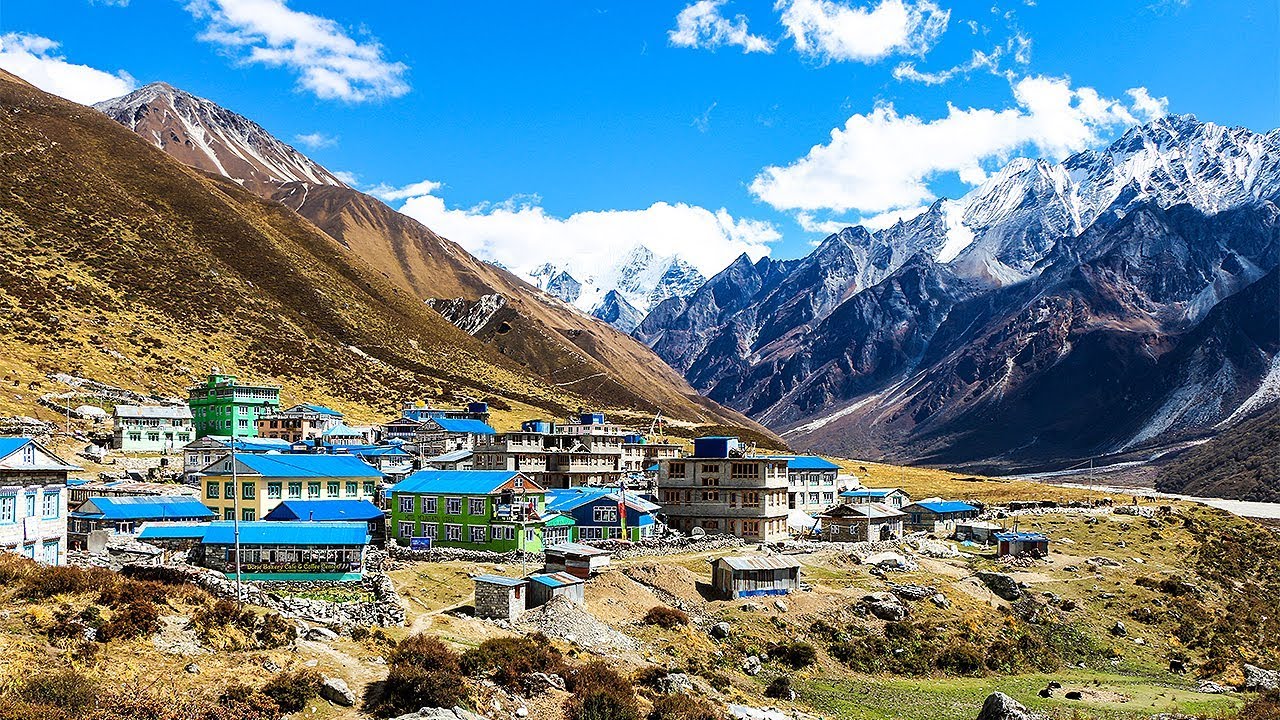
Located north of Kathmandu, the Langtang Valley trek weaves through Tamang heritage villages, yak pastures, and cheese factories inside Langtang National Park, culminating in sunrise views over Langtang Lirung from Tserko Ri.
- Route: Kathmandu – Syabrubesi – Langtang Village – Kyanjin Gompa – Syabrubesi
- Duration: 8 days
- Maximum Altitude: 5,033 m (Tserko Ri summit option)
- Difficulty: Moderate
- Best Season: Spring & Autumn
- Starting Price: USD 1,095 per person
- Ideal For: Trekkers short on time who want to avoid domestic mountain flights.
Status (2026): The road to Syabrubesi, the trailhead, has been closed since the 26 August flood in Rasuwa. We can’t confirm Langtang or Gosaikunda departures until the road reopens. Please ask us for the latest, or choose Mardi Himal or Annapurna Base Camp as a similar-length alternative.

Ghorepani Poon Hill Trek
The Ghorepani Poon Hill trek offers an accessible vantage point for witnessing sunrise over the Annapurna and Dhaulagiri ranges. The trail passes stone-paved steps, oak forests, and vibrant Gurung settlements.
- Route: Pokhara – Ulleri – Ghorepani – Poon Hill – Tadapani – Jhinu Danda – Pokhara
- Duration: 5 days
- Maximum Altitude: 3,210 m (Poon Hill)
- Difficulty: Easy to Moderate
- Best Season: Year-round (Spring & Autumn peak)
- Starting Price: USD 1,195 per person
- Ideal For: Beginners, families, or travelers with limited time in Nepal.

Mardi Himal Trek
Winding along a narrow ridge beneath the shadow of Machhapuchhre, the Mardi Himal trek is a hidden gem in the Annapurna region featuring cozy tea houses, forest paths, and high alpine viewpoints.
- Route: Pokhara – Kande – Forest Camp – High Camp – Mardi Upper Viewpoint – Pokhara
- Duration: 7 days
- Maximum Altitude: 4,200 m (Upper Viewpoint)
- Difficulty: Moderate
- Best Season: Spring & Autumn
- Starting Price: USD 1,220 per person
- Ideal For: Hikers seeking quiet ridge trails and close-up views of Fishtail Peak.

How to Choose Your Autumn Trek in Nepal
Not sure which trail fits? Start with how much time you have, what you want to see, and how challenging you want the trek to be:
- Short on time? → Consider Poon Hill or a shortened Mardi Himal trek from Pokhara.
- Have around a week? → Look at Mardi Himal (7 days) or Annapurna Base Camp (7 days, for fit trekkers). Langtang Valley is on hold until the Syabrubesi road reopens.
- Want an Everest experience? → Choose Everest Base Camp for the classic route or Gokyo Lakes for alpine lakes and a quieter alternative.
- Want something remote? → Consider Manaslu Circuit or Tsum Valley. For Upper Mustang, Kanchenjunga, or Dolpo, ask us for a custom itinerary.
- Love high passes? → Go for the Annapurna Circuit with Thorong La or Everest Three Passes.
- Interested in Tibetan-influenced culture? → Upper Mustang, Tsum Valley, and Manaslu offer strong Tibetan cultural influences alongside the mountain scenery.
What to Pack for an Autumn Trek in Nepal
Autumn trekking does not require a mountain of gear. A few practical items can make long walking days, cold nights, and remote trails much more comfortable. Keep the basics covered and avoid carrying things you probably will not use.
Clothing and Layers
- Thermal base layers, including tops and bottoms
- Fleece or warm mid-layer
- Sub-zero down jacket, ideally rated to -15°C for high-altitude routes
- Quick-drying trekking pants
- Waterproof and windproof jacket and trousers
Footwear and Accessories
- Well-broken-in trekking boots
- Merino wool trekking socks
- Lightweight camp shoes or sandals
- Warm beanie and sun hat
- Lightweight glove liners and insulated or windproof gloves
Bags and Sleeping Gear
- 30-35L personal daypack
- 60-90L waterproof duffel bag if using a porter
- 4-season sleeping bag rated around -15°C
- Silk or fleece sleeping bag liner
Trekking, Health, and Water
- Adjustable trekking poles
- UV400 sunglasses
- Headlamp with spare batteries
- High-capacity power bank
- Two 1-liter water bottles
- Water purification tablets or filter
- Personal medical kit with blister pads, rehydration salts, and personal medication
Autumn Festivals You May Experience While Trekking in Nepal
Trekking in the autumn season does not just give you beautiful mountain views; it also lets you experience Nepal’s biggest celebrations: Dashain and Tihar. They are nationwide holidays but can look very different depending on where you travel. In the Kathmandu Valley, Dashain turns the capital into a quiet town as millions of residents leave for their ancestral villages, while Tihar transforms the city into a dazzling spectacle of neon lights and crowded street festivals.
Out on the Annapurna, Manaslu, and Langtang circuits, these festivals bring lower-altitude Hindu and mixed ethnic villages to life with intimate community traditions. During Dashain, you will pass huge bamboo swings (Linge Ping) built in village squares, hear traditional folk music, and see hosts wearing bright red Tika paste on their foreheads. In Tihar, these remote teahouses are decorated with fresh marigolds and clay oil lamps (diyos). You can also witness dogs and cows being honored with flower garlands and experience the Deusi/Bhailo tradition.
However, you will not experience these Hindu festival traditions if you choose the Everest Region (Khumbu). The high-altitude Everest Base Camp route is home to the Sherpa people, devout Tibetan Buddhists who do not celebrate Dashain or Tihar. Instead, the major autumn event here is Mani Rimdu, a spectacular Buddhist festival held at Tengboche Monastery (usually in late October or November) featuring sacred masked dances performed by monks.
What Should You Prepare Before Choosing Your Autumn Trek?
Although autumn treks are usually comfortable, high-altitude conditions can still make the trek demanding. So, you need to prepare beforehand. Improving your fitness level and having documents, insurance, cash, gear, and basic medical supplies ready before you leave Kathmandu makes the trek much easier.
- Physical Fitness: Prepare for long walking days with regular cardio, leg-strength exercises, and stair climbing. Ideally, start 2-3 months before your trek, especially for routes with steep climbs and high passes.
- Travel Insurance: Choose a policy that covers trekking at your planned maximum altitude and emergency helicopter evacuation. Check the exclusions carefully, as standard policies may not cover high-altitude trekking.
- Documents and Photos: Keep digital copies of your passport, insurance, permits, and other important documents. Carry a few passport-sized photos for permits and other local paperwork.
- Trail Cash: Carry enough Nepalese rupees (NPR) for teahouses, meals, hot showers, Wi-Fi, charging, and personal expenses. ATMs become scarce on remote trails, so keep smaller notes for easier payments.
- Trekking Gear: Prepare warm layers, waterproof clothing, hiking boots, good sunglasses, and other route-specific gear. You can rent bulky items such as down jackets and sleeping bags in Kathmandu. Make sure your boots are well broken in before the trek.
- Basic Medical Kit: Pack blister treatment, rehydration salts, water purification tablets, personal medication, and basic stomach remedies. If you plan to use Diamox (acetazolamide) for altitude, discuss it with a qualified medical professional beforehand.
What Permits Do I Need for an Autumn Trek in Nepal?
The permits you need depend on your trekking region and route, not the season. Most popular autumn treks require a national park or conservation-area entry permit, while restricted areas require additional permits arranged through a registered trekking agency.
Note on TIMS: TIMS is no longer collected in the Khumbu, where the Khumbu Pasang Lhamu fee took its place, and it is checked inconsistently on Annapurna routes. Some regions, such as Langtang and Manaslu, may still ask for it. Your agency will confirm the exact permit list for your route. A TIMS card never replaces a national park, conservation-area, or municipality fee.
Everest Region (Khumbu)
The Khumbu region is protected under strict environmental regulations to preserve its delicate high-altitude ecosystems, rare wildlife, and rich Sherpa cultural heritage. Much of the region lies within Sagarmatha National Park, while local municipalities also manage entry into the Khumbu area. Trekkers heading toward Everest Base Camp, Gokyo, or the High Passes need the relevant national park and local permits.
- Sagarmatha National Park Entry Permit: NPR 3,000 (~USD 20).
- Khumbu Pasang Lhamu Rural Municipality Permit: NPR 3,000 (~USD 20).
Annapurna Region
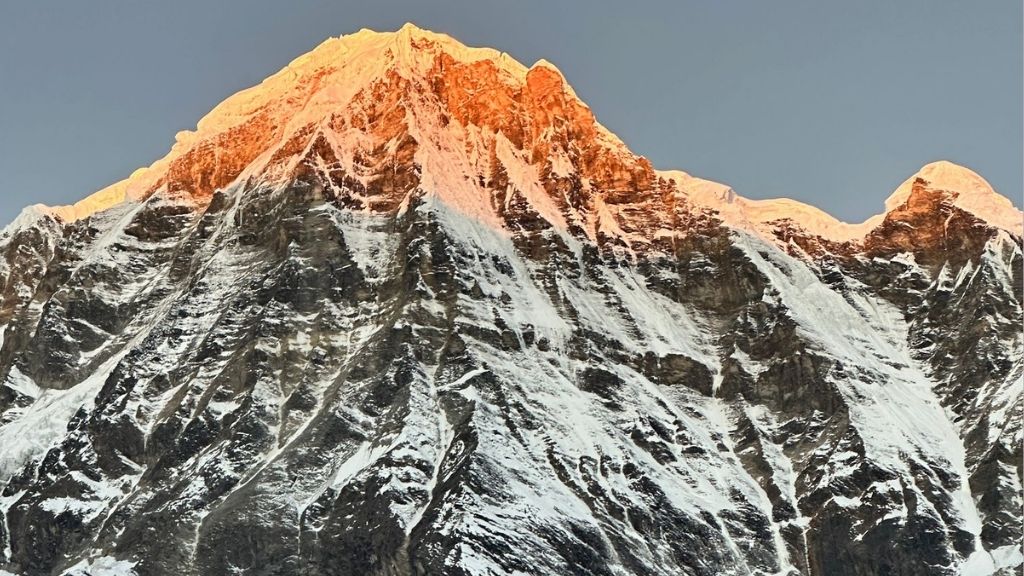
The Annapurna region spans diverse landscapes, from subtropical valleys and terraced hills to the dry, high-altitude terrain of Manang and Mustang. Much of the trekking area falls within the Annapurna Conservation Area, so trekkers need a conservation permit to help fund environmental protection and local community conservation.
- Annapurna Conservation Area Permit (ACAP): NPR 3,000 (~USD 20) for international trekkers.
- Upper Mustang Restricted Area Permit (RAP): USD 50 per person, per day. There is no longer a 10-day flat minimum fee; you pay strictly for the exact number of days spent north of Kagbeni.
Langtang and Helambu Region
Located north of Kathmandu near the Tibetan border, the Langtang region falls within Langtang National Park, the first Himalayan national park in Nepal. The park protects its rhododendron forests, alpine landscapes, wildlife, and traditional Tamang communities. Trekkers entering the park need an entry permit for routes such as Langtang Valley and Gosaikunda.
- Langtang National Park Entry Permit: NPR 3,000 (about ~USD 20).
Manaslu Region
The Manaslu region treks are designated restricted areas because of their sensitive border location, distinctive Tibetan-influenced culture, and protected mountain landscapes. These routes require restricted-area permits in addition to conservation-area permits.
- Manaslu Restricted Area Permit (RAP): USD 100 for the first 7 days, plus USD 15 per additional day (Autumn peak pricing)
- Tsum Valley Restricted Area Permit (RAP): USD 40 for the first 7 days (September-November), then USD 10 per additional day
- Manaslu Conservation Area Permit (MCAP): NPR 3,000 (~USD 20)
- Annapurna Conservation Area Permit (ACAP): NPR 3,000 (~USD 20), for the route section after crossing into the Annapurna region
Where to Get Trekking Permits and Who Can Apply
Nepal’s trekking permits are split between national conservation authorities, local governments, and the Department of Immigration. National park and conservation-area permits cover protected landscapes, local permits apply to specific trekking regions, while restricted-area permits regulate access to sensitive border regions.
| Permit | Where to Get It | Who Can Apply? |
|---|---|---|
| Sagarmatha National Park | NTB office, Kathmandu, or Monjo checkpoint | Trekker or authorized agency |
| Khumbu Municipality Permit | Lukla or designated Khumbu checkpoint | Trekker or authorized agency |
| ACAP | NTB office in Kathmandu or Pokhara | Trekker or authorized agency |
| MCAP | NTB office in Kathmandu | Trekker or authorized agency |
| Langtang National Park | NTB office in Kathmandu or designated trail checkpoint | Trekker or authorized agency |
| Manaslu RAP | Department of Immigration, arranged before the trek | Authorized trekking agency only |
| Tsum Valley RAP | Department of Immigration, arranged before the trek | Authorized trekking agency only |
| Upper Mustang RAP | Department of Immigration, arranged before the trek | Authorized trekking agency only |
For restricted-area treks, your trekking agency handles the RAP application using your passport and visa details. You can’t buy these permits independently at the trailhead.
Update (March 2026): Restricted-area permits for Manaslu, Tsum Valley and Upper Mustang no longer require a minimum of two trekkers. A single traveler can now be issued a permit, but a licensed guide and a registered agency are still compulsory.
Common Mistakes When Choosing an Autumn Trek
- Underestimating Altitude: Choosing a high-pass trek without enough acclimatization days can make the trek unnecessarily difficult.
- Skipping Buffer Days: Leave 1-2 extra days for possible Lukla or Jomsom flight delays, especially before your international flight.
- Relying on Cotton Clothes: Cotton holds moisture and takes longer to dry. Pack quick-drying layers or merino wool for better comfort on the trail.
- Expecting Perfect Weather: Autumn is generally stable, but cold nights, afternoon clouds, strong winds, and occasional snow can still occur at high elevations.
How to Choose the Right Trek Package in Nepal
A good trek package should be realistic, transparent, and suited to your experience and fitness. Before booking, check these key details:
- Review the Itinerary: Look for realistic walking times, proper acclimatization days, and a manageable pace. Avoid packages that cram too many hours or altitude gains into a single day.
- Check What’s Included: Confirm whether permits, accommodation, meals, transport, guides, porters, and other major costs are included. An unusually cheap package may leave out important expenses.
- Check the Agency and Guide: Choose a legally registered agency with licensed guides. For high-altitude treks, ask about the guide’s AMS and first-aid training.
- Ask About Porter Welfare: Reasonable loads, fair pay, proper equipment, accommodation, and insurance show that the agency takes its field crew seriously.
- Read the Booking Terms: Get inclusions, exclusions, cancellation terms, and refund policies in writing. Pay through the agency’s official business account, not a personal account.


