The best time for Annapurna Circuit Trek is from September to November (Autumn) and from March to May (Spring). These two trekking windows generally offer reliable weather, dry trail conditions, and good mountain visibility. October and November are especially popular for crisp, clear Himalayan views, while March to May brings warmer days, longer daylight hours, and blooming rhododendron forests. Both seasons also offer favorable conditions for crossing the Thorong La Pass, which stands at 5,416 meters (17,769 feet).
These two peak periods feel noticeably different on the trail. Autumn is cooler, clearer, and busier, while spring is warmer, greener, and more colorful. Outside these windows, winter brings freezing temperatures and possible snow around the high pass, while the summer monsoon brings rain, muddy trails, and cloud cover at lower elevations. If clear mountain views are your priority, autumn is a strong choice. If you prefer milder days and lush scenery, spring might just be the best season for the Annapurna Circuit Trek.
Annapurna Circuit Trek Seasons at a Glance
| Season | Months | What to Expect |
|---|---|---|
| Autumn | September-November | Dry trails and clear mountain views once the monsoon clears; busy lodges. Late September can still bring heavy rain and floods, and late-October storms have closed the pass in the past. |
| Spring | March-May | Warm days, blooming rhododendrons, longer daylight, and moderate crowds |
| Winter | December-February | Freezing temperatures, snow at higher altitude, and possible Thorong La disruptions |
| Monsoon | June-August | Heavy rainfall, muddy trails, cloudy views, and possible landslides |
Why Weather Matters So Much on the Annapurna Circuit?
Weather on the Annapurna Circuit changes significantly as you climb from Bhulbhule (845 m) to Thorong La (5,416 m). The lower valleys can be warm and wet, while temperatures around Manang (3,540 m) are much cooler and conditions near Thorong High Camp (4,925 m) and Thorong La can become freezing, windy, and snowy.
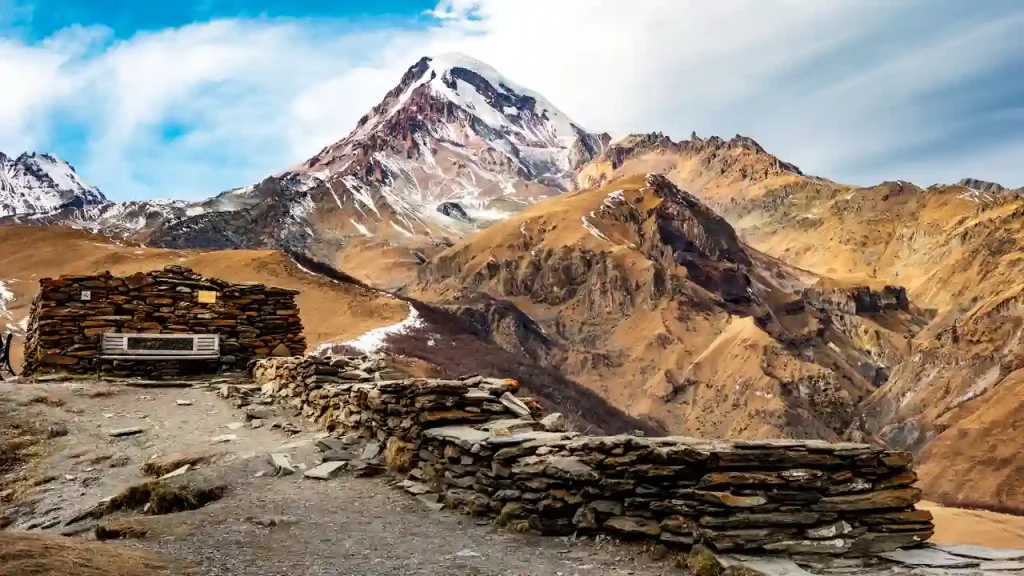
These changes directly affect the time it takes to hike the Annapurna, how comfortable you are walking, trail conditions, visibility, road travel, and whether the Thorong La crossing can go ahead as planned.
Weather Changes Significantly With Altitude
At Bhulbhule (845 m), days can feel fairly warm, especially during spring and autumn. As you climb through Dharapani and Chame toward Manang (3,540 m), temperatures gradually drop, with mornings and evenings becoming noticeably colder.
The cold becomes more serious above Manang. At Thorong High Camp (4,925 m), nighttime temperatures can fall well below freezing, while the exposed terrain makes you more sensitive to the cold. You may start the trek in a light jacket and finish the day needing thermal layers, a down jacket, gloves, and a warm hat.
Snow Can Make Thorong La Harder to Cross
Snow becomes a bigger concern as you approach Thorong High Camp (4,925 m) and Thorong La Pass (5,416 m). Fresh snowfall can cover the trail, make the footing slippery, and slow your climb toward the pass.
After heavy snowfall, the route can become difficult to cross, and you may have to wait for conditions to improve. This can disrupt your schedule because the crossing from Thorong High Camp to Muktinath via Thorong La is already a long, demanding day. Starting in the dark and finding deeper snow than expected can make the day considerably harder.
Rain Makes Lower Trails Muddy and Slippery
Rain has a greater effect on the lower altitude sections around Bhulbhule, Jagat, Dharapani, and Chame. Continuous rainfall can turn unpaved trails into muddy, slippery paths, making the walk slower and more tiring.
Streams can also carry more water after heavy rain, while wet mountain roads can become muddy and rough. During the monsoon, prolonged rainfall can increase the risk of landslides along both trails and roads. You may need to slow your pace, manage wet gear, or spend longer on the trail than expected.
Clouds and Fog Reduce Visibility
Clouds, mist, and fog can quickly reduce visibility along the Annapurna Circuit trek route. Around Manang and the higher sections, low clouds can cover the surrounding peaks and take away the wide Himalayan views you came for. After walking for days to reach these higher sections, having the mountains hidden behind clouds can be a real disappointment.
Poor visibility can also make the trail and surrounding landmarks harder to see. Near Thorong La, cloud combined with snowfall or strong wind can make the route harder to follow. At Poon Hill (3,210 m), morning cloud can cover the mountains and block the sunrise views, even when the weather clears later.
Strong Wind Makes High-Altitude Sections Colder
Wind becomes more noticeable on the exposed sections above Manang, particularly around Thorong High Camp and Thorong La. Strong wind can make you feel much colder, especially during the early morning pass crossing when temperatures are already low.
You may need to stop and add another layer, cover exposed skin, or take short breaks to get out of the wind. Strong gusts can also blow loose snow across the trail, making conditions around the pass more uncomfortable.
Weather Can Delay Mountain Road Travel
Weather can affect your trip even on days when you are not trekking. Rain can make mountain roads muddy and rough, slowing the drive to Bhulbhule and the later journey through Muktinath, Jomsom, and Tatopani.
Heavy rainfall can also trigger landslides or make some road sections difficult to pass. A journey that normally takes several hours may take longer, leaving you with less time to rest before the next day’s activities. Keeping some flexibility around road-transfer days can make these delays easier to handle.

Annapurna Circuit Trek Month-by-Month Weather Guide
The Annapurna Circuit changes considerably throughout the year. Winter brings snow and freezing temperatures at high elevations, spring gradually warms the trail, monsoon makes the lower sections wet, and autumn brings dry conditions and clearer skies.
Here is a quick comparison before the detailed breakdown:
| Month | Season | Lower trail | Manang and above | Thorong La | Crowds |
|---|---|---|---|---|---|
| January | Winter | Cool, dry and clear | Very cold and snowy | Often closed or risky | Very low |
| February | Winter | Cool and dry | Cold with lingering snow | High risk | Very low |
| March | Early spring | Warming, early blooms | Cold nights, early snow | More practical later in month | Moderate |
| April | Spring | Warm, rhododendrons | Cold nights, clear mornings | Generally open | High |
| May | Late spring | Warm, hazy | Milder, afternoon cloud | Generally open | Moderate |
| June | Monsoon onset | Rain and landslide risk | Drier but cloudy | Possible, less predictable | Low |
| July | Monsoon | Heavy rain and leeches | Relatively drier | Possible, poor visibility | Very low |
| August | Monsoon | Heavy rain and slides | Relatively drier | Possible, poor visibility | Very low |
| September | Monsoon retreat | Wet; flood and landslide risk can last into late September | Variable; snow possible at higher elevations after heavy rain | Unpredictable; storms have turned trekkers back | Moderate |
| October | Autumn | Dry and stable | Clear days, cold nights | Usually open; late-month snow possible | Very high |
| November | Late autumn | Dry and cool | Cold, increasing snow risk | Generally open, later risk | Moderate |
| December | Early winter | Cool and dry | Very cold | Possible early, increasingly risky | Low |
Note: Conditions vary from year to year, so this table should be treated as a planning guide rather than a guarantee.
Annapurna Circuit in Spring vs Autumn
For most trekkers, the best time for Annapurna Circuit trek comes down to spring (March to May) or autumn (September to November). Both offer good trekking conditions, but the experience is different. Spring brings warmer days, greener landscapes, and blooming rhododendrons, while autumn generally brings clearer skies, dry trails, and crisp mountain views.
Choose Spring If You Want:
- Greener scenery: The hills become greener from March to May, with rhododendrons and other spring flowers adding color to the lower sections of the trail.
- Warmer days: Temperatures gradually rise through spring, making daytime walking more comfortable. Nights are still cold at higher elevations, so you will need warm layers.
- Fewer people: Spring is generally less busy than the main autumn rush, giving you a quieter experience at many teahouses and on the trail.
Choose Autumn If You Want:
- Clear mountain views: After the monsoon, the skies are generally clearer, giving you better views of the Annapurna range and surrounding peaks.
- Drier trails: October to November generally brings drier conditions, making the trails more comfortable to walk.
- A lively trail: Autumn is the busiest trekking season, particularly in October, so you will meet plenty of other people along the route.
Is October Really the Best Month for Annapurna Circuit Trek?
October is often considered the most dependable month because it combines dry trails, stable weather, and excellent mountain visibility. However, October is not automatically the best month for every trekker. It is also the busiest month. Lodges can be crowded, popular sections of the trail can feel busy, and transport around major Nepalese festivals can become more complicated.
If you want similar autumn conditions with more space on the trail, early November or late November may be worth considering. A good trekking month doesn’t eliminate mountain risk. Weather can change quickly at high altitude, so check current conditions and follow your guide’s advice before crossing Thorong La.
Can You Trek the Annapurna Circuit in Winter?
Yes, you can complete the Annapurna Circuit trek in winter (December to February), but you need to be prepared for much colder conditions, particularly above Manang and around Thorong La. The lower sections can still be pleasant on sunny days, while the higher parts of the route can bring freezing temperatures, snow, and strong winds.
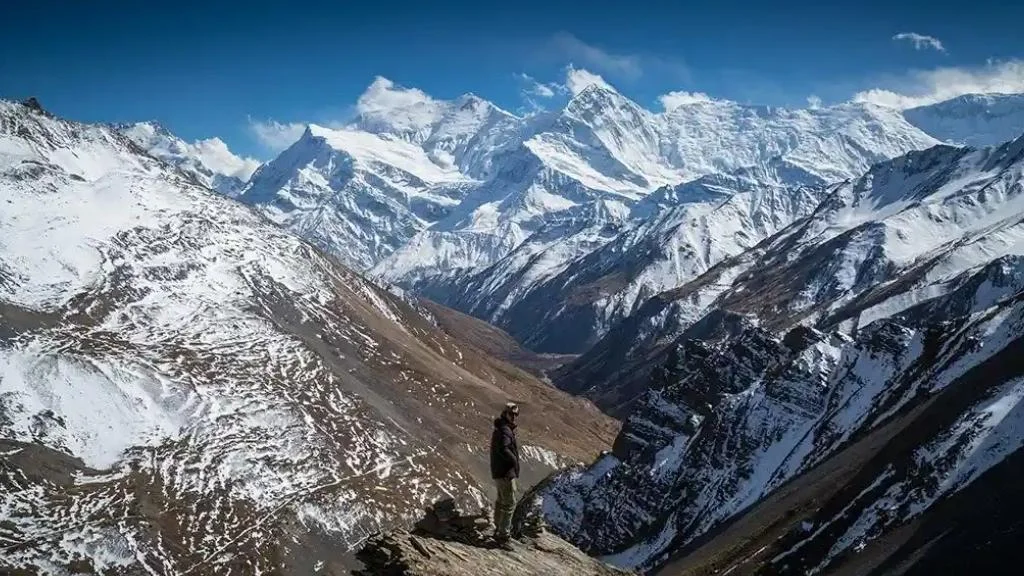
Snow is the main concern at higher elevations of the Annapurna Circuit trail. Heavy snowfall can cover the trail around Thorong High Camp (4,925 m) and Thorong La Pass (5,416 m), making the crossing slower and more difficult. Poor weather can also reduce visibility, so you may need to wait for safer conditions before crossing the pass./
With fewer trekkers and quieter trails, some higher-elevation teahouses may have limited services or even close for the season. You will need warm thermal layers, a good down jacket, gloves, a hat, and a suitable sleeping bag for the colder nights.
Nonetheless, if you choose to trek in winter, keep your itinerary flexible and be prepared for changing conditions. Thorong La can become difficult to cross after heavy snowfall, so you may need to wait for the trail to become passable rather than trying to force the crossing.

How the Season Changes the Trekking Experience
The season changes more than the temperature on the Annapurna Circuit. It affects what you see, how the trail feels, how busy the villages are, and what each day feels like. The same route can feel completely different in March than it does in October.
Spring: Flowers, Green Hills, and Warmer Days
Doing the Annapurna Circuit trek in spring (March to May) offers greener and more colorful trails, especially through the lower sections from Bhulbhule to Chame. Rhododendrons bloom along the hillsides, streams are lively with melting snow, and the warmer days make long walking hours easier.
As you climb toward Manang and Thorong La, the scenery becomes drier and more alpine, while the nights remain cold at higher elevations. You also get longer daylight as the season progresses, giving you more comfortable time to enjoy the trail without rushing.
Autumn: Clear Skies, Dry Trails, and Festive Atmosphere
The Annapurna Circuit trek in autumn months (September to November) brings a different feel. After the monsoon, the air is generally clearer, the trails are drier, and the mountains often stand out sharply against blue skies. If seeing the Annapurna range clearly is a big part of why you’re doing the trek, autumn can be very satisfying. The season also overlaps with major Nepali festivals like Dashain and Tihar, so you may notice a more festive atmosphere in villages along the route.
The trade-off is that the trail gets busier, especially in October. You will meet more trekkers at popular stops, and teahouses can feel lively in the evenings. By November, the crowds generally ease, but temperatures also start dropping, particularly around Manang and the high pass.
Winter: Quiet Trails and Serious Cold
Winter trekking on the Annapurna Circuit brings fewer people and a much quieter atmosphere. The lower valleys can still have sunny days, but temperatures drop sharply as you climb higher.
Around Thorong High Camp and Thorong La, freezing temperatures, snow, and strong winds can make the trek considerably tougher. You may spend more time dealing with the cold and checking conditions before crossing the pass. If you like quieter trails and don’t mind proper winter conditions, the experience can feel very different from the busy autumn season.
Monsoon: Wet Trails and Changing Conditions
Choosing the Annapurna Circuit Trek in monsoon season (June to August) means having to deal with frequent rain in the lower sections of the circuit. Trails can become muddy and slippery, streams may carry more water, and mountain roads can become rough or delayed after heavy rainfall.
The rain also changes the scenery. The lower valleys are at their greenest, with lush hillsides and waterfalls along the route. However, clouds can hide the mountains, so you may have fewer clear views. If you trek during this period, expect wetter walking days and more uncertainty around road travel.
How the Rain Shadow Changes Annapurna Circuit Weather?
The Annapurna Circuit does not get the same amount of rain from one end to the other. The Annapurna and Dhaulagiri ranges block much of the moisture brought by the summer monsoon, creating a rain shadow on the northern side of the mountains.
This is why the weather can feel very different as you move along the route. The lower sections around Bhulbhule, Dharapani, and Tatopani can be wet and humid during the monsoon, while Manang and the Mustang side of the circuit are much drier. Once you reach the rain-shadow area, the landscape also changes from green forests to dry, rocky valleys and open mountain terrain.
What Is the Rain Shadow Like on the Annapurna Circuit?
The rain shadow becomes more noticeable as you travel toward Manang and the northern side of the circuit. The mountains block much of the moisture coming from the south, so these higher valleys receive considerably less rainfall than places such as Pokhara and the southern Annapurna region.
You can therefore have a wet morning in the lower valleys and reach much drier conditions farther north. Around Manang, you may see dry hillsides, rocky cliffs, and blue skies even during the monsoon season.
Why the Whole Circuit Is Not Simply Rainy During Monsoon
Calling the entire Annapurna Circuit rainy during June to August misses the difference between the southern and northern sides of the mountains.
- Lower sections: Areas around Bhulbhule, Jagat, Dharapani, Chame, and Tatopani can receive much more rainfall. Trails become wetter and muddier, while rain can also affect mountain roads.
- Manang and the northern side: The rain shadow keeps these areas considerably drier. You can still encounter clouds or rain, but the conditions are generally less wet than on the southern side.
- Higher sections: Around Thorong High Camp (4,925 m) and Thorong La Pass (5,416 m), conditions are more alpine. Rain is less of a concern than cold, wind, snowfall, and changes in visibility.
So, even during monsoon, you can move from wet, green valleys to dry, rocky mountain terrain within the same trek.
Can You Trek the Annapurna Circuit During Monsoon?
Yes, you can trek the Annapurna Circuit during monsoon (June to August), but you need to be ready for wetter conditions in the lower sections and possible changes to your travel plans.
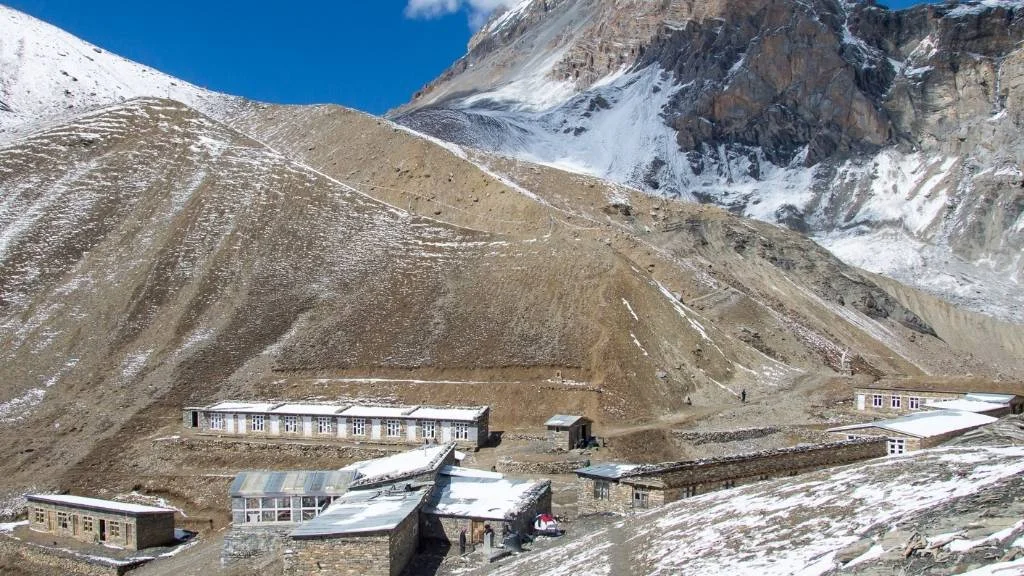
The rain-shadow areas around Manang and Muktinath can offer surprisingly dry trekking conditions, and the landscape is greener than it is later in the year. You will also encounter fewer people on the trail. However, heavy rain on the lower side can trigger landslides, rockfall, muddy trails, and road disruptions, making it harder to reach or leave certain sections. Low clouds can also reduce visibility, while changing road conditions may lead to longer travel times.
So, while the rain shadow gives you a relatively dry stretch of trekking, the monsoon is still less predictable overall. If you choose this season, keep your itinerary flexible and allow extra time in case road conditions or landslides affect your journey.
Best Time for Annapurna Circuit Trek Based on What You Want
There is no single best time to visit for every trekker. Your ideal time depends on what you want to get out of the Annapurna Circuit, whether that is crystal-clear mountain views, flowers, number of trekkers, or warmer walking days.
| What You Want | Best Time | What You Can Expect |
|---|---|---|
| Clear mountain views | October to November | Dry weather, clearer skies, and sharp views of the Annapurna range and surrounding peaks. |
| Flowers and colorful scenery | Late March to April | Rhododendrons are in bloom, the lower hills are greener, and spring brings more color to the trail. |
| Warmer trekking days | April to May | Warmer daytime temperatures and longer daylight make the walking days more comfortable. |
| Fewer crowds | March or late November | Less trail traffic than the busiest autumn period, while conditions can still be suitable for trekking. |
| A quieter winter experience | December | Fewer people on the trail and potentially clear winter mornings, but much colder conditions at higher elevations. |
| Greenest landscapes | June to August | Lush lower valleys and greener scenery, with the northern rain-shadow sections around Manang remaining relatively dry. |
Does the Trek Route Change With the Season?
The main Annapurna Circuit route stays largely the same throughout the year, but weather can affect which sections you can comfortably or safely cross. Snow around Thorong La Pass (5,416 m) can make the high pass crossing difficult in winter, while monsoon rainfall can affect lower roads and trails through landslides and muddy conditions.
If you are trekking during a less predictable season, keep some flexibility in your itinerary. A weather delay around Thorong La, or a road disruption between destinations, can shift the timing of the following days.
How to Choose Your Annapurna Circuit Trek Dates?
- Decide What Matters Most: Choose your season based on what you want from the trek. Clear mountain views, warmer days, blooming rhododendrons, or fewer people can each point you toward a different time of year.
- Keep Some Extra Time: Leave a little flexibility in your itinerary for weather-related delays. Heavy rain can affect mountain roads, while snow can delay the Thorong La Pass crossing.
- Check Conditions Before You Go: Look at the latest weather forecast and ask your guide or local contacts about trail conditions, especially before heading toward Thorong High Camp and Thorong La.
- Plan the Pass Crossing Early: The crossing from Thorong High Camp to Muktinath via Thorong La is a long day. Start early and aim to cross the pass while conditions are generally calmer and visibility is better.
Plan Your Annapurna Circuit Trek at the Right Time
The best time for Annapurna Circuit Trek depends on what you want from the trail. October and November bring clear mountain views and mostly dry conditions, while March to May gives you warmer days, green hills, and blooming rhododendrons. Monsoon brings fewer people and greener scenery around the lower valleys, while winter is quieter but much colder around Thorong La.
Keep checking the weather patterns as you get closer to the high pass. A good forecast can make the Thorong La crossing much easier, while fresh snow or strong winds can change your plans. Give yourself some extra time, pack for cold conditions at high altitude, and let the trail set the pace when the weather turns.