Dreaming of the Himalayas but only have a week of vacation? You don’t have to miss out on the adventure. There are many incredible short treks in Nepal that pack panoramic mountain views, traditional villages, and alpine scenery into manageable 5-to-10-day itineraries.
The right trail depends on your fitness, available time, and comfort with altitude. A five-day foothill trek offers a very different experience from a ten-day high-altitude journey. Here are some of the best short treks in Nepal to help you find a route that fits your time and trekking goals.
What Are the Best Short Treks in Nepal? (Quick Answer)
The top short trekking trails in Nepal include: Ghorepani Poon Hill, Mardi Himal, Langtang Valley, Short Annapurna Base Camp, Khopra Danda, Short Annapurna Circuit, Short Manaslu Circuit, and Short Everest Base Camp. Poon Hill is a popular choice for beginners, Mardi Himal offers close mountain views, Langtang is convenient from Kathmandu, and the Annapurna, Manaslu, and Everest routes suit travelers seeking more demanding high-altitude experiences.
The table below compares the main options by duration, difficulty, altitude, and walking hours, so you can choose the trek that suits you best.
| Trek | Duration | Difficulty | Best For | Maximum Altitude | Average Walking Hours |
|---|---|---|---|---|---|
| Ghorepani Poon Hill Trek | 5 days | Easy to moderate | Beginners and sunrise views | 3,210 m | 4-7 hours |
| Mardi Himal Trek | 7 days | Moderate | Ridge views and fit beginners | Around 4,200-4,500 m | 4-7 hours |
| Langtang Valley Trek | 8 days | Moderate | Kathmandu-based travelers and culture | Around 3,870 m | 5-7 hours |
| Short Annapurna Base Camp Trek | 5 days | Moderate to challenging | Base-camp experience | Around 4,130 m | 5-8 hours |
| Khopra Danda Trek | 6 days | Moderate | Quieter trails and panoramas | Around 3,660 m | 5-7 hours |
| Short Annapurna Circuit Trek | 10 days | Challenging | Varied landscapes and experienced hikers | Up to 5,416 m, depending on route | 5-9 hours |
| Short Manaslu Circuit Trek | 10 days | Challenging | Remote landscapes and cultural immersion | Around 5,106 m | 5-9 hours |
| Short Everest Base Camp Trek | 10 days | Challenging | Everest Base Camp experience | Around 5,364 m | 5-8 hours |
Note: The altitude, walking hours, and itinerary details above are based on HC Treks’ itineraries and may vary depending on the route and acclimatization plan.
*Following the August 2026 Rasuwa flood, the Syabrubesi road access for this route is under repair. The trekking trail itself (Syabrubesi to Kyanjin Gompa) was not physically damaged, but confirm the current road status with us before booking.
Why Choose a Short Trek in Nepal?
A short trek in Nepal can give you much of the experience of a longer Himalayan trek without spending several weeks on the trail. You still get mountain views, traditional villages, changing landscapes, and time in the Himalayas, but with a shorter itinerary. This leaves you more time to explore other parts of Nepal, join cultural activities, or add a wildlife tour to your trip.
The main benefits include:
- Fits limited vacation time: Many routes can be completed within five to ten days.
- Lower overall commitment: You spend less time away from work, family, or other travel plans.
- Varied scenery: Short treks can include forests, terraced hillsides, glaciers, alpine valleys, and mountain viewpoints.
- Different difficulty levels: You can choose from relatively accessible foothill routes to demanding high-altitude trails.
- Teahouse experience: Most established routes offer simple lodges with meals and overnight accommodation.
- Flexible travel planning: Some treks begin near Pokhara, while the Langtang region trek starts closer to Kathmandu.
- Good introduction to Nepal: A short trek can provide a meaningful first experience of mountain culture and Himalayan landscapes.
However, a short itinerary may involve long walking days or a faster ascent. Always compare the altitude and daily schedule rather than choosing a trek based only on its number of days.
What are the best short treks for beginners?
Ghorepani Poon Hill, Mardi Himal, and Langtang Valley are some of the most beginner-friendly short treks in Nepal. None of these trekking trails require prior trekking experience, but you should be comfortable with steep uphill and downhill sections, stone steps, and about 4 to 6 hours of walking per day. Ghorepani Poon Hill is the easiest, while Mardi Himal and Langtang reach higher elevations and involve longer climbs.
Ghorepani Poon Hill Trek

The Ghorepani Poon Hill Trek is one of our most accessible short and easy treks in Nepal. Our five-day itinerary takes you through forest trails, traditional villages, and comfortable teahouses, with views of the Annapurna and Dhaulagiri ranges along the way.
The main highlight is Poon Hill (3,210 m), a popular sunrise viewpoint. On a clear morning, you can see peaks including Dhaulagiri, Annapurna South, Annapurna I, Hiunchuli, and Machhapuchhre.
The trail passes through rhododendron forests and villages home to Gurung and Magar communities. While the trek is suitable for many first-time trekkers, you should be prepared for stone steps and repeated uphill and downhill sections. The early-morning climb to Poon Hill can also be challenging.

Mardi Himal Trek
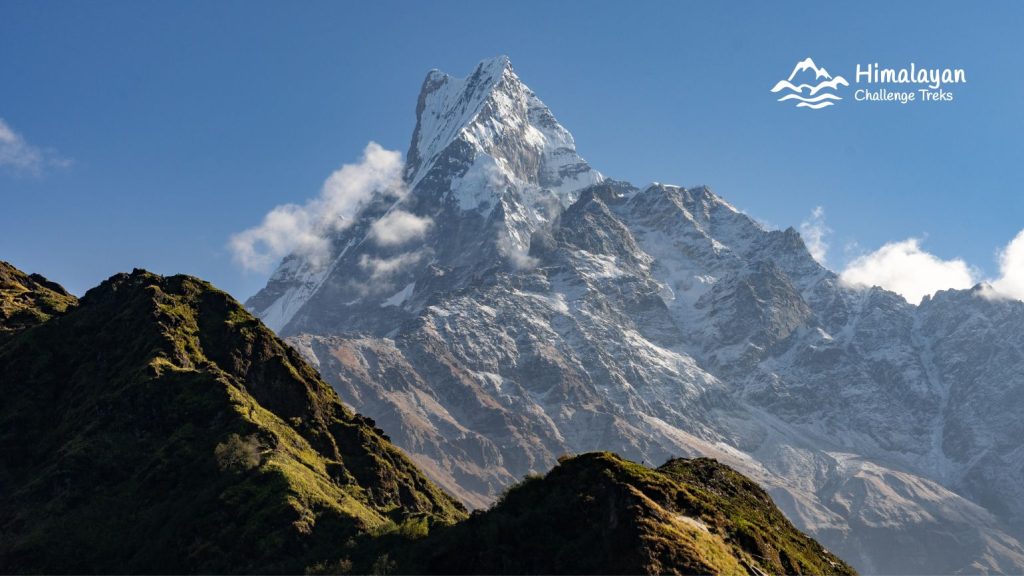
The Mardi Himal Trek is a good option for fit beginners who want closer mountain views and a more alpine trekking atmosphere. The trail passes through forests before reaching open ridges with views of Machhapuchhre, Annapurna South, and Hiunchuli.
Compared with Poon Hill, Mardi Himal generally involves steeper ascents, higher elevations, and colder nights near the upper camps. The ridge trails can also feel exposed in places, especially in poor weather.
Although it is beginner-friendly, it is a moderate trek rather than an easy one. Beginners can complete it with preparation, sensible pacing, and suitable guidance, but it may not be the best choice for someone with no hiking background or limited fitness.


Chisapani-Nagarkot Trek
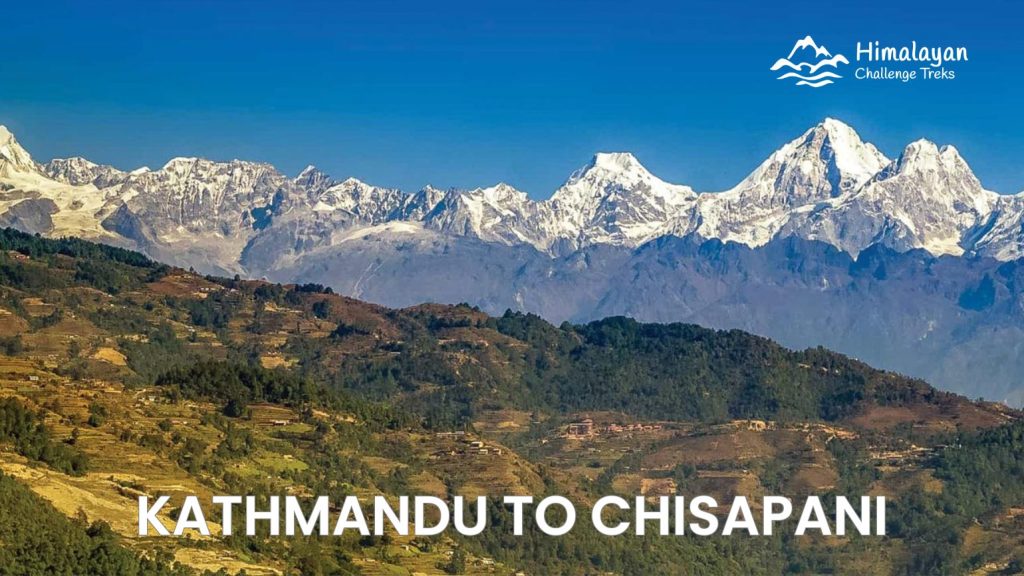
The Chisapani-Nagarkot Trek is a good option for travelers who want a short hiking experience close to Kathmandu. It generally takes three days. The route passes through the forests of Shivapuri Nagarjun National Park. From there, you hike to Chisapani and then to Nagarkot, where you can enjoy wide views of the surrounding hills and Himalayan ranges on clear days.
The trek stays at a relatively low altitude (below 2,200 meters) and does not require a domestic flight or a long journey to the mountains. The trails include forest paths, stone steps, and some uphill and downhill sections, making it manageable for many beginners. It is also a convenient choice if you have limited time in Nepal but still want to spend a few days walking through the countryside.
Langtang Valley Trek

The Langtang Valley Trek is normally one of the best short Himalayan treks for travelers who want mountain scenery and cultural experiences without taking a domestic flight. From Kathmandu Valley, you can reach the trek’s trailhead at Syabrubesi by a 6- to 9-hour drive. From there, the trail takes you into the Langtang Valley.
The trail follows the Langtang River through forests and traditional villages, gradually opening up as you gain elevation. Along the way, you pass Tamang settlements, Buddhist prayer flags, monasteries, and other reminders of the valley’s mountain culture. The scenery becomes increasingly alpine as you approach Kyanjin Gompa (3,830 m), with the view of the Langtang Lirung and surrounding peaks forming a scenic backdrop.
The trek can suit reasonably fit beginners, but the walking days, long road journey, and higher sleeping elevations still require some preparation.
Update as of September 23, 2026: The Galchhi-Syabrubesi road section is under repair following the August 2026 flood in the Rasuwa/Bhote Koshi corridor. Access may change as reconstruction progresses. The upper trekking trail from Syabrubesi through Lama Hotel, Langtang Village, and Kyanjin Gompa follows a separate river drainage and did not sustain direct flood damage. However, road conditions can still affect access to the trailhead. Check with us for the latest road and trail conditions before booking.


Best Short Treks for Close-Up Himalayan Views
If you want close-up Himalayan views without spending weeks on the trail, several short treks offer excellent mountain scenery. Everest View, Short Annapurna Base Camp, Short Everest Base Camp, and Pikey Peak each provide a different perspective of the Himalayas, from open viewpoints to valleys surrounded by towering peaks. You don’t necessarily need to do a long trek for the best views of the Himalayas.
Short Annapurna Base Camp Trek
The Short Annapurna Base Camp Trek is a great option for travelers who want to get close to the mountains in a limited amount of time. Our five-day itinerary takes you deep into the Annapurna Sanctuary, where towering peaks surround the trail and become more impressive as you approach the base camp.
Along the way, you get close views of Machhapuchhre, Annapurna South, Hiunchuli, and other peaks. Unlike Poon Hill, where the main attraction is a wide mountain panorama from a viewpoint, this trek takes you into a high mountain basin with peaks rising directly around you.
The trek does involve steep uphill sections, higher elevations, and some long walking days, so it requires more preparation than lower-altitude routes. It is best suited to travelers who are comfortable with sustained hiking and want a more immersive mountain experience.

Short Everest Base Camp Trek
The Short Everest Base Camp Trek is for travelers who want to stand at the foot of the world’s highest mountain without spending two weeks on the trail like on the standard Everest Base Camp trek. The trail passes through famous Sherpa villages and high mountain landscapes before reaching Everest Base Camp (5,364 m).
Along the way, you get increasingly close views of Everest, Lhotse, Nuptse, Ama Dablam, and other Himalayan peaks. Unlike viewpoint-based treks, this route takes you deep into the Everest region, so the mountains remain a constant part of the journey.
The standard EBC Trek is already challenging, so expect the shorter version to be even more demanding. With longer walking days and less time to acclimatize, it only suits experienced trekkers comfortable with sustained uphill walking and high-altitude conditions.

Everest View Trek
The Everest View Trek is one of the best short treks in the Everest region. It lets you experience the Everest region without trekking all the way to Base Camp. After flying to Lukla, the trail passes through Sherpa villages and forests before reaching Namche Bazaar, where you get your first major views of the surrounding peaks.
A highlight is the hike toward the iconic Everest View Hotel, where the view of Mount Everest, Ama Dablam, Lhotse, and Thamserku is particularly stunning. The route offers impressive mountain scenery without the higher elevations and longer walking days of the Everest Base Camp Trek.
With a lower maximum altitude and shorter walking days, the Everest View Trek can be a more manageable choice than EBC for travelers with limited time or less high-altitude experience.
Pikey Peak Trek
The Pikey Peak Trek takes you to a quieter part of the Everest region, where the mountain views start long before you reach the highest point. The trail winds through forests, Sherpa villages, and open ridges, with changing views of the eastern Himalayas as you gain elevation.
The highlight is Pikey Peak (4,065m) in itself. Here, the ridge opens up to a wide Himalayan panorama. On a clear day, you can see Everest, Makalu, Lhotse, and Kanchenjunga among the surrounding peaks. The open views are what set Pikey Peak apart from treks that take you deeper into a mountain valley.
With steady climbs and descents along the route, the trek still requires a reasonable level of fitness. For travelers who want big Himalayan views without the crowds and longer itinerary of the main Everest routes, Pikey Peak offers a different way to experience the region.
Best Challenging Short Treks for Experienced Trekkers
Short does not always mean easy. The Short Annapurna Circuit, Short Manaslu Circuit, Ama Dablam Base Camp, and Short Everest Base Camp Trek involve higher elevations, longer walking days, or more demanding terrain than many lower-altitude short treks. These routes are better suited to travelers with previous hiking experience or strong preparation.
Ama Dablam Base Camp Trek
The Ama Dablam Base Camp Trek offers a different way to experience the Everest (Khumbu) region without following the full Everest Base Camp route. Over around 10 to 11 days, the trek follows the classic trail through Namche Bazaar. After that, you turn toward Ama Dablam Base Camp, bringing you closer to the mountain itself.
The route passes through Sherpa villages, rhododendron forests, monasteries, and suspension bridges before reaching the base camp area. Along the way, Ama Dablam becomes the main highlight, with its distinctive peak rising above the surrounding Khumbu landscape.
The quieter trail and close mountain views make this a good option for travelers who want to explore the Everest region beyond the standard Base Camp route and those short on time.

Short Annapurna Circuit Trek
The Short Annapurna Circuit Trek offers a remarkable change of scenery within a ten-day itinerary. Depending on the route, the journey can move from lower valleys and cultivated hillsides into the dry, high-altitude landscapes of Manang.
The trek is known for mountain villages, Tibetan-influenced culture, dramatic valleys, and the possibility of crossing Thorong La pass at approximately 5,416 m. The high pass requires careful pacing and preparation, particularly during the ascent and descent.
The route’s challenge comes from altitude, uneven terrain, long days, and the need to adapt to changing environments. It is not an ideal first trek for someone who has never completed a multi-day hike.
Short Manaslu Circuit Trek
The Short Manaslu Circuit Trek is a demanding option for travelers who want remote mountain scenery and a less-developed trekking route. The trail passes through traditional villages influenced by Tibetan Buddhism, with scenery shifting from pine forests and river valleys to the rugged landscapes of the higher sections.
The main challenge is crossing Larkya La Pass (5,106 m), the highest point of the trek. Additionally, the Manaslu region is a restricted trekking area, so the trek requires special permits and must be arranged through an authorized trekking agency. It is best suited to experienced trekkers who are prepared for long walking days and high-altitude conditions.

Best Hidden Short Treks Away from the Crowds
If you want a quieter trekking experience, Nepal offers several lesser-known routes away from its busiest trails, such as Khopra Danda, Mohare Danda, Muldai Viewpoint, Kapuche Glacier Lake Trek, etc. These short treks offer mountain views, local villages, and different landscapes without requiring a longer trek itinerary.
Khopra Danda Trek
The Khopra Danda Trek is a quieter alternative to the popular Poon Hill route in the Annapurna region. The trail passes through oak and rhododendron forests, traditional villages, and open mountain terrain before reaching Khopra Danda (3,660 m).
From the ridge, you get wide views of Dhaulagiri, Annapurna South, and other Himalayan peaks, with the Kali Gandaki Valley far below. If you want to add more hiking, a challenging day trip to Khayer Lake (4,660 m) takes you higher into the mountains.
With fewer trekkers than the main Annapurna routes, Khopra Danda suits travelers who want a quieter trail without giving up big mountain views. The route does include steep climbs and descents, so some preparation is useful.

Mohare Danda Trek
The Mohare Danda Trek is a short community-based route through the hills of the Annapurna region. The trail passes through forests, terraced fields, and small villages before reaching Mohare Danda (3,313 m), where you can enjoy wide views of the Annapurna and Dhaulagiri ranges.
The route is less busy than Poon Hill and gives you more time around local villages and community lodges. It is a good option if you want a shorter trek with mountain scenery but prefer a quieter trail.
The trek still involves regular uphill and downhill walking, although it does not reach the same elevations as many longer Himalayan routes. This makes it suitable for travelers looking for a lower-altitude alternative to more demanding treks.
Muldai Viewpoint Trek
The Muldai Viewpoint Trek is another short trek in the Annapurna region. The trail winds through forests and traditional Gurung villages before reaching Muldai Viewpoint (3,637 m), offering a quieter alternative to some of the region’s busier routes.
The main highlight is the mountain panorama from the viewpoint. On a clear morning, you can see Machhapuchhre, Annapurna South, Dhaulagiri, and other surrounding peaks from the ridge. The views are particularly impressive around sunrise when the mountains catch the early light.
Beyond the viewpoint, the trek offers a chance to spend time in less-visited villages and walk through forested sections of the Annapurna landscape. It is a good fit for travelers who want a short trek with strong mountain views without following one of the region’s busiest routes.
Kapuche Glacier Lake Trek
Located in the remote parts of the Annapurna trail past Sikles, the Kapuche Glacier Lake Trek offers a different kind of Himalayan experience. Instead of climbing to a high mountain pass or viewpoint, the trail leads through forests and mountain villages toward Kapuche Glacier Lake (around 2,450 m), the lowest-altitude glacial lake in the world.
The lake sits beneath steep mountain slopes and receives meltwater from surrounding glaciers, creating a striking contrast between the blue-green water and the rocky landscape. The relatively low altitude also makes this route quite different from many high-altitude Himalayan treks.
This trek is a good option for travelers who want a short, quieter mountain trip without spending several days at high elevations. You still need to be comfortable with uphill and downhill sections, but the overall altitude exposure is lower than on routes such as Everest Base Camp or the Annapurna Circuit.
Which Short Trek Matches Your Travel Style?
The best trek for you depends on how much time you have, what kind of scenery you want, and how comfortable you are with altitude and longer walking days. With so many options, the table below helps you compare treks based on the experience you’re looking for.
| What you’re looking for | Treks | Why they may fit |
|---|---|---|
| First Himalayan trek | Ghorepani Poon Hill, Mardi Himal | Beginner-friendly routes with manageable itineraries and mountain views |
| Close mountain views | Mardi Himal, Short ABC, Everest View | Different ways to get close views of major Himalayan peaks |
| Trek close to Kathmandu | Langtang Valley | Direct road access without a domestic flight |
| Base-camp experience | Short ABC, Short EBC | Both take you to famous Himalayan base camps |
| Everest experience | Short EBC, Everest View, Ama Dablam Base Camp | Everest-region scenery and views of major Khumbu peaks |
| Quieter trails | Khopra Danda, Mohare Danda, Muldai Viewpoint | Less-busy alternatives in the Annapurna region |
| Wide Himalayan panoramas | Pikey Peak, Khopra Danda, Muldai Viewpoint | Open viewpoints with broad mountain views |
| Short on time | Everest View, Ama Dablam Base Camp, Short ABC | Shorter itineraries focused on specific mountain experiences |
| Remote mountain experience | Short Manaslu Circuit, Khopra Danda | Less-developed trails and more remote mountain landscapes |
| High-altitude challenge | Short EBC, Short Annapurna Circuit, Short Manaslu Circuit | Higher elevations, longer walking days, and more demanding terrain |
How to Choose the Right Short Trek for You?
Now that you’ve narrowed down your options, consider the following practical factors before choosing your trek.
- Available time: Check whether the stated duration includes road travel, flights, acclimatization, and return days.
- Fitness: Consider whether you can comfortably walk uphill for several hours on consecutive days.
- Maximum altitude: Higher routes require more preparation and carry greater altitude-related risks.
- Travel access: Langtang is easy to reach from Kathmandu, while Everest routes usually involve mountain flights.
- Scenery: Choose between forests, ridge panoramas, base camps, high passes, or cultural landscapes.
- Comfort level: Some routes have more developed teahouses and facilities than others.
- Season: Snow, rain, clouds, and trail conditions can affect the trekking experience. Spring and autumn are generally the best times for trekking in Nepal.
- Guide and permit requirements: Restricted areas and current regulations may require pre-arranged permits and guides.
Which Short Trek Gives You the Best Value for Your Time?
The value of a trek is subjective and depends on what you want to experience within the time you have. Each route offers a different mix of scenery, culture, difficulty, and travel convenience, so look beyond the package price when comparing itineraries.
- Ghorepani Poon Hill: A short and accessible trek with panoramic mountain views.
- Mardi Himal: Impressive ridge scenery and close views of Machhapuchhre within a one-week itinerary.
- Langtang Valley: Mountain landscapes and local culture without a domestic flight.
- Short ABC: A compact route into the Annapurna Sanctuary with a direct base-camp experience.
- Khopra Danda: Wide mountain panoramas on a quieter route in the Annapurna region.
- Short Annapurna Circuit: Varied landscapes and altitudes in a 10-day itinerary.
- Short Manaslu Circuit: Remote scenery and cultural experiences for experienced trekkers.
- Short EBC: Access to Everest Base Camp within a shorter itinerary, but with greater altitude and logistical demands.
Are Short Treks in Nepal Easy and Safe?
Many short treks in Nepal are manageable with proper preparation and reliable trekking arrangements, but no Himalayan trek is completely risk-free. Difficulty and risk vary with altitude, terrain, weather, route conditions, and how quickly the itinerary gains elevation.
Common challenges include:
- Altitude sickness
- Steep or uneven trails
- Slippery sections
- Cold temperatures
- Sudden weather changes
- Road or flight delays
- Limited medical facilities
- Fatigue from consecutive walking days
A short itinerary can still take you to high elevations quickly. Choose a route that matches your fitness and experience, maintain a steady pace, stay hydrated, and tell your guide if you develop symptoms such as headache, dizziness, nausea, unusual fatigue, or breathlessness.
How to Prepare for a Short Trek in Nepal?
Build your endurance before the trek with regular walking, stair climbing, hill training, or weekend hikes. You should also:
- Break in your trekking shoes before the trip.
- Practice walking with a daypack.
- Pack layers for changing temperatures.
- Carry a waterproof jacket and warm outer layer.
- Bring sunscreen, sunglasses, and a hat.
- Carry personal medication and basic first-aid supplies.
- Bring a reusable water bottle and water-treatment method.
- Carry a headlamp and power bank.
- Keep copies of your passport and insurance documents.
- Get travel insurance that covers trekking and emergency evacuation.
- Leave some flexibility for weather and transport delays.
Are short treks in Nepal safe for solo female travelers?
Nepal is generally considered a welcoming destination for solo female travelers, but the main risks on a trek often come from the mountain environment rather than personal security. Weather changes, steep terrain, altitude, and limited access to medical facilities can become more important as you move into higher or more remote areas.
Established routes such as Ghorepani Poon Hill and Everest View have more developed trekking infrastructure, while higher or less-developed routes can be more demanding when traveling alone. If you get injured or experience altitude-related symptoms, getting help may take longer without a companion or guide.
If you plan to trek independently, stay on established routes, use recognized teahouses, share your itinerary with someone at home, and keep your phone and power bank charged. For higher-altitude or more remote treks, we recommend hiring a licensed guide, who can provide extra support with navigation, changing weather, altitude concerns, and logistics.
Conclusion
Nepal has short treks for different fitness levels, interests, and time limits, from beginner-friendly routes to demanding high-altitude journeys. Ghorepani Poon Hill is a practical starting point for beginners, while Mardi Himal offers close mountain views and Langtang Valley combines scenery with local culture near Kathmandu. Short ABC takes you into the Annapurna Sanctuary, while Khopra Danda offers a quieter alternative. For more demanding experiences, the Short Annapurna Circuit, Short Manaslu Circuit, and Short Everest Base Camp Trek reach higher elevations and require more preparation.
Before choosing your trek, compare altitude, walking hours, access, permits, and the acclimatization schedule rather than focusing only on the number of days.
Planning a short holiday in Nepal? You can still fit a memorable Himalayan trek into your trip, even with just a few days to spare. Explore our short trek packages, or contact us for a customized itinerary. We’d be glad to help you find the route that suits you best.